National City occupies the stretch of shoreline between San Diego's Barrio Logan and Chula Vista, bounded by the bay on the west and the Sweetwater River on the south. Incorporated in 1887, it is the second-oldest city in the county, laid out by the Kimball brothers on the former Rancho de la Nación. The railroad once ended here, and the city kept an industrial and maritime character tied to the neighboring naval base. Today the historic core around Kimball Park and Heritage Square sits within a short drive of Westfield Plaza Bonita and the dealerships along the Mile of Cars.
Homes and lots in National City
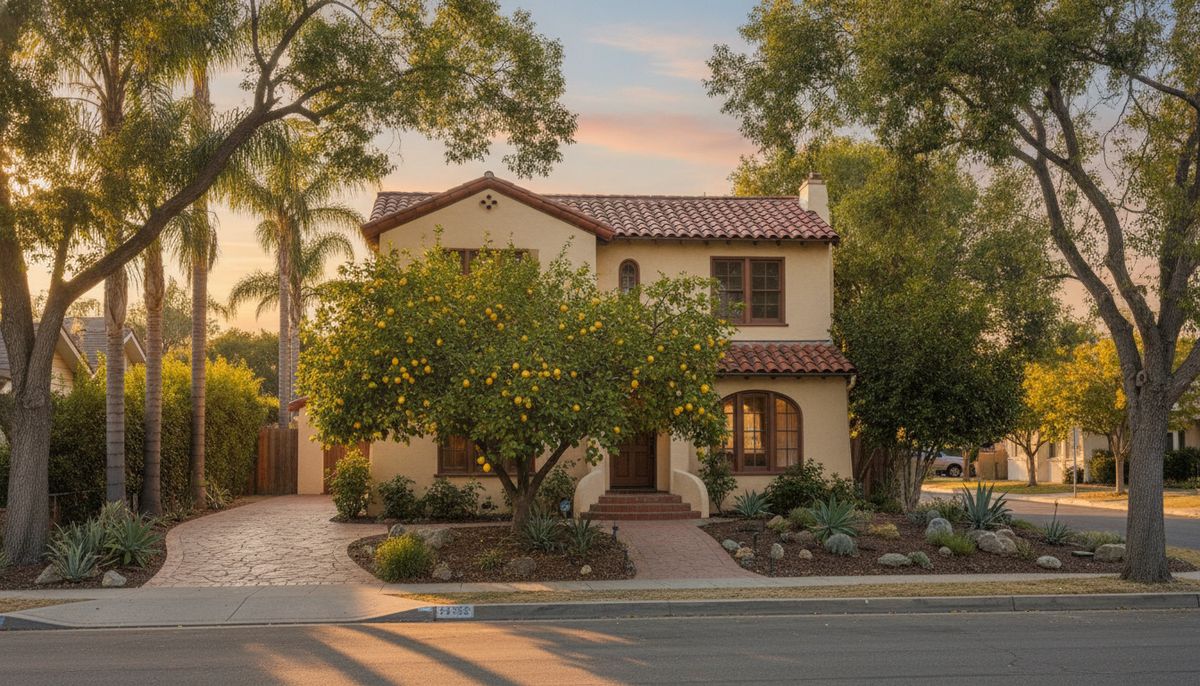
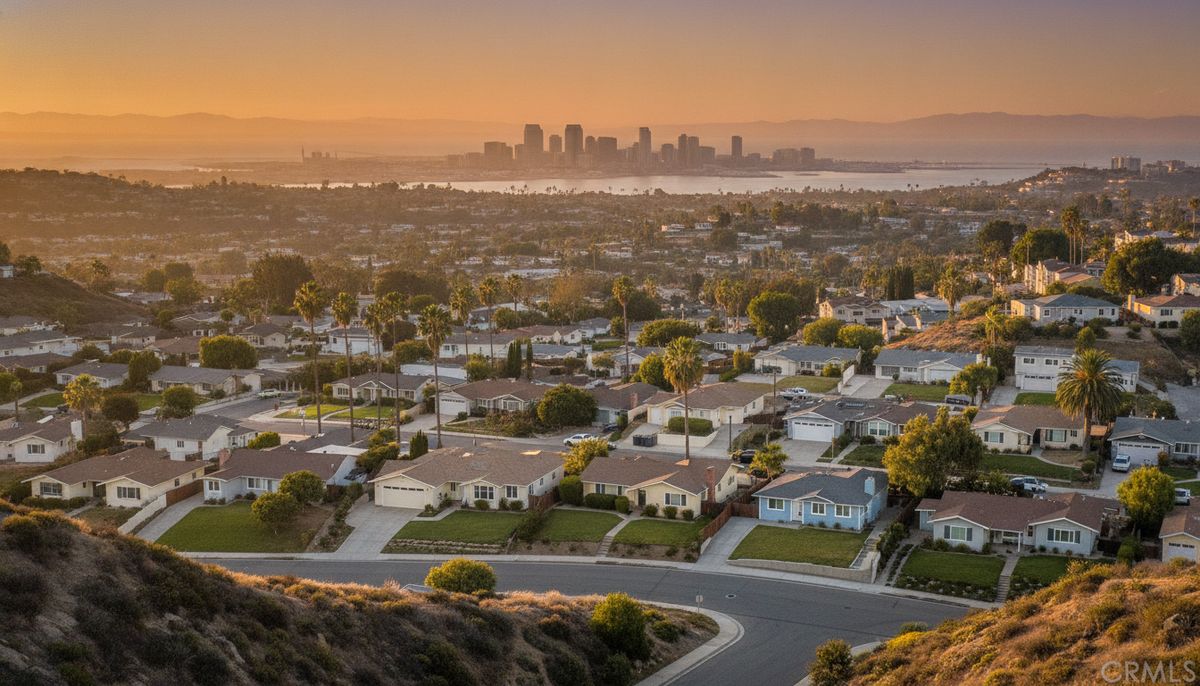
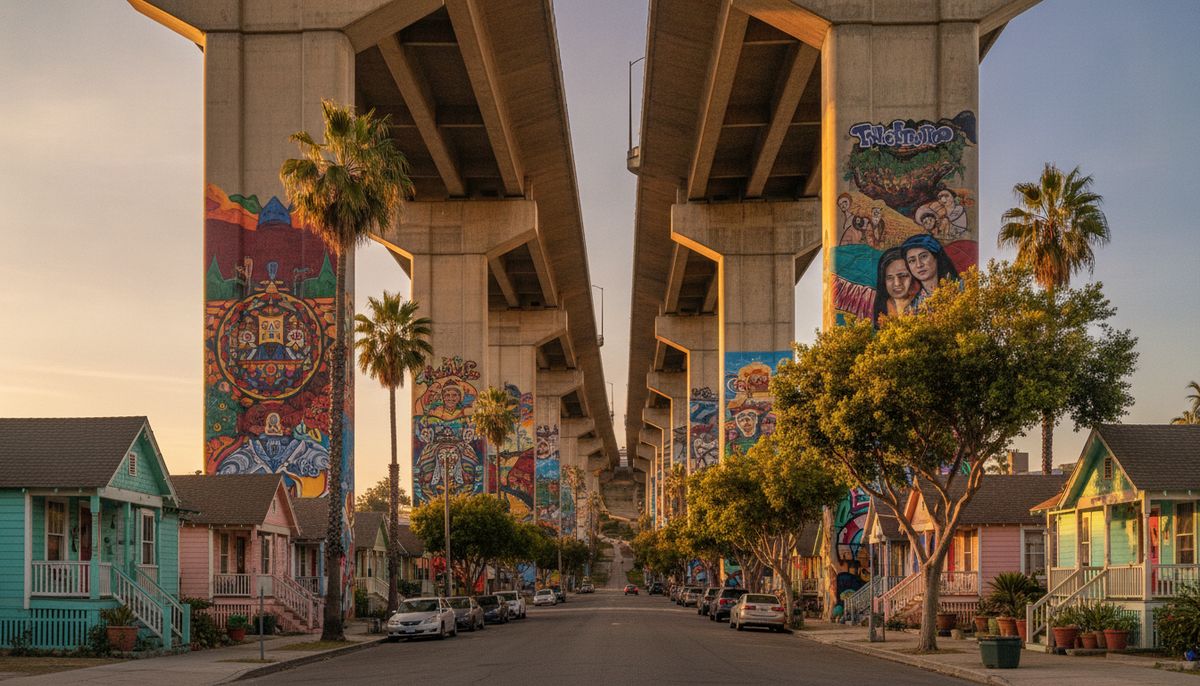
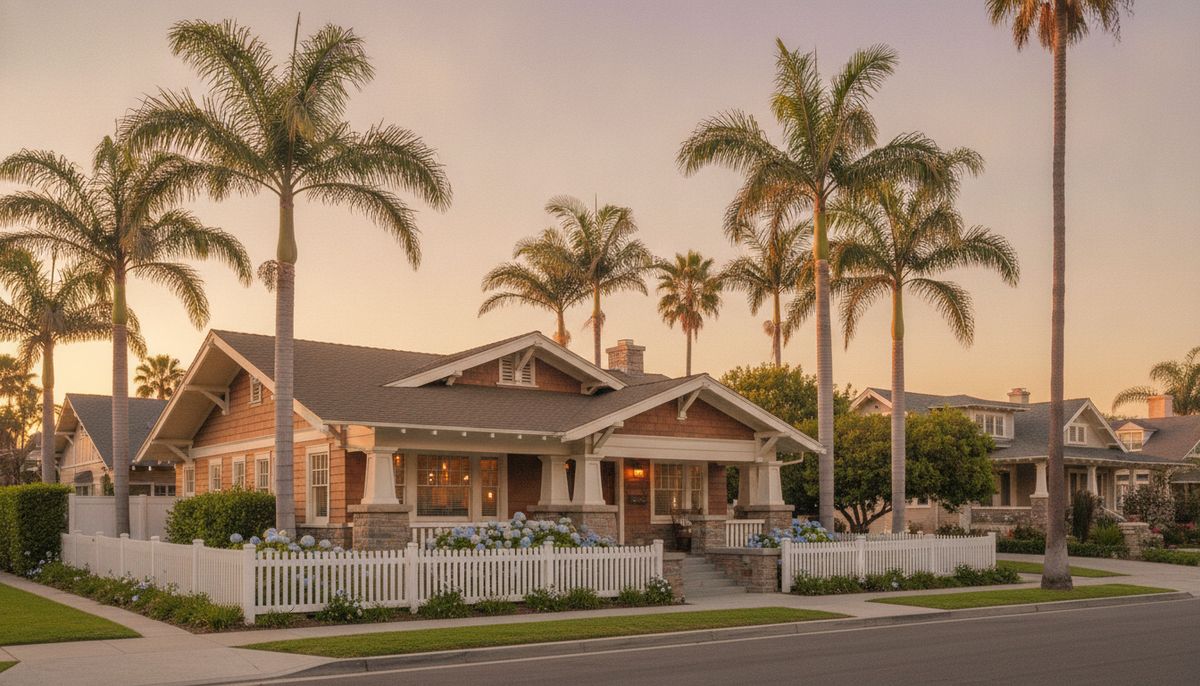
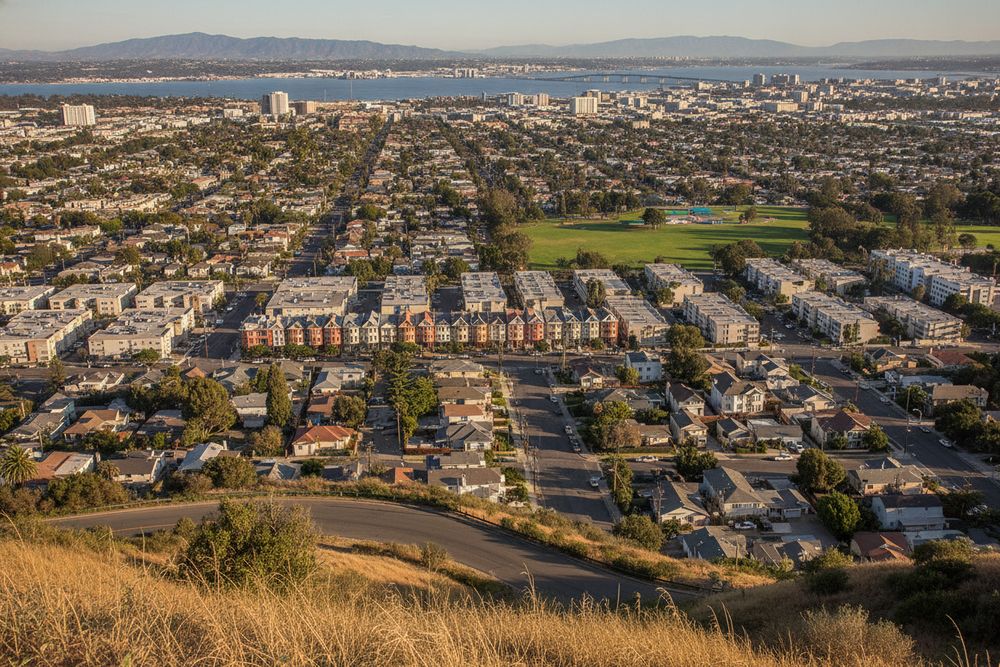
Older homes dominate. Craftsman and Victorian houses still stand near A Avenue and the late-1880s Brick Row row houses, and bungalows and Spanish revival cottages from the 1920s and 1930s fill the streets surrounding Olivewood and downtown. Post-war tracts with small ranch homes spread across El Toyon and the eastern hills, and Lincoln Acres, an unincorporated enclave, has mid-century homes on modest lots. Apartments, duplexes and fourplexes are common throughout, many on standard 25- to 50-foot-wide lots. New mixed-use and condo projects have appeared near the trolley stations and along the waterfront district.
How National City sales behave
National City attracts first-time buyers, investors and families seeking relatively affordable homes close to downtown San Diego and military employment. Small multifamily buildings and homes with income units are in steady demand, since the city has a high share of renters. Detached houses in the eastern hills with views or larger lots sit at the upper end of the local range. Proximity to freeways and trolley lines is a plus, while nearness to industrial uses, the shipyards, or busy commercial strips can limit appeal. Investors often focus on lots with room for accessory units or redevelopment.
Neighborhoods and subdivisions
El ToyonLas PalmasLincoln AcresOld Town National CityOlivewood
Landmarks
- Westfield Plaza Bonita
- Kimball Park
- Pepper Park
- Olivewood Gardens
- Mile of Cars
- Brick Row
Appraisal watch points in National City
Because land uses intermix in National City, two homes only a few blocks apart may sell far apart in price, depending on how close each sits to freeways, industrial parcels or the naval base. Historic homes may carry Mills Act contracts or design review requirements that affect taxes and renovation options. Multi-unit properties require attention to unit count, permits and rent levels, and many lots have rear houses or conversions. National City is part of Brian's regular inspection area, so he can deliver desktop reports, exterior Drive-By reports or full Standard inspections, including the 2-4 unit versions.
Does a rear house on a National City lot always add value?
Not automatically. Brian checks whether the rear house is permitted, how it is used, its size and condition, and whether similar properties with two units have sold nearby. A legal, rentable second dwelling can add meaningful value, especially for investors. An unpermitted conversion may carry less weight or even create risk for a buyer. How the second unit was handled, and the evidence behind that decision, is spelled out in the report.