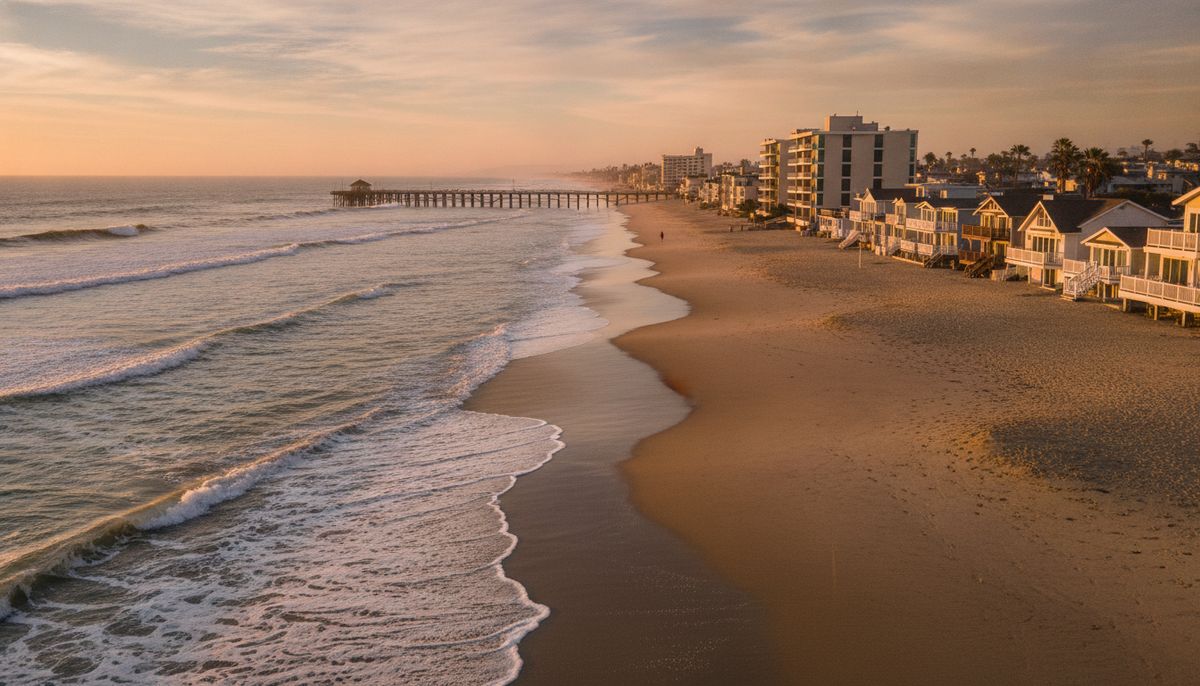
Chula Vista stretches from the eastern shore of San Diego Bay inland to the Otay reservoirs, making it the second-largest city in the county. Incorporated in 1911, it began as a lemon-growing district laid out in large lots, then expanded with the Rohr aircraft plant during World War II and a long post-war housing boom. Third Avenue Village serves as the historic downtown. Interstate 805 roughly divides the older western neighborhoods from the master-planned communities to the east, and the bayfront has been reshaped by a new resort and convention center that opened in 2025.
Homes and lots in Chula Vista
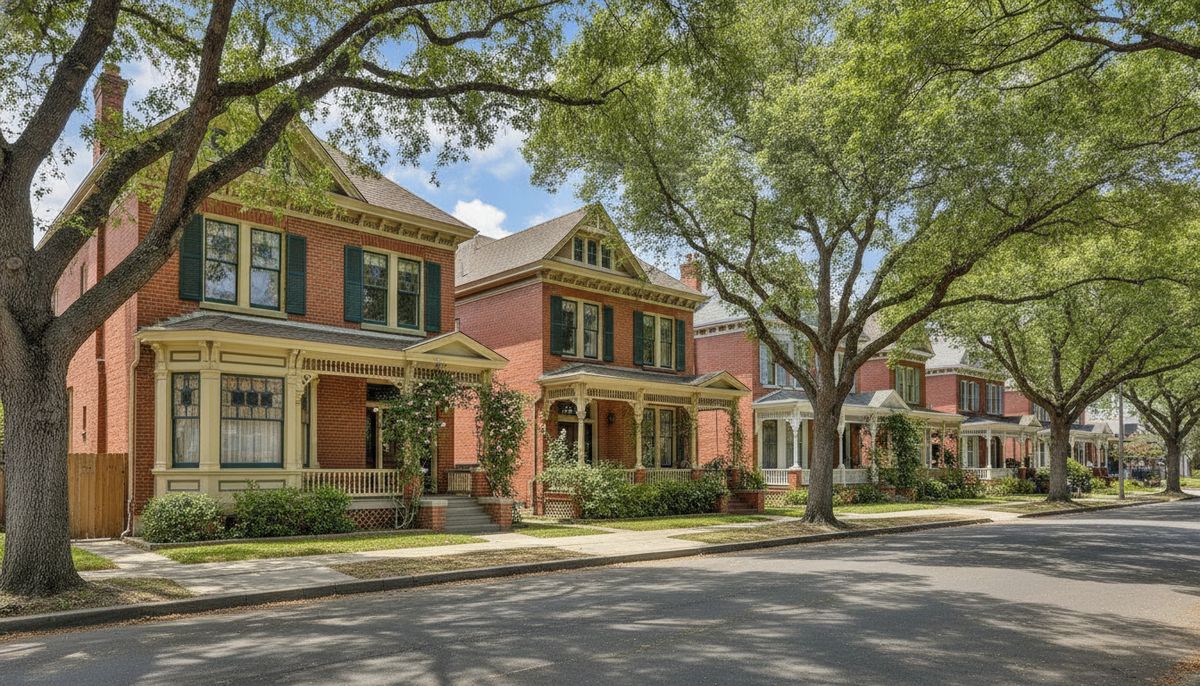
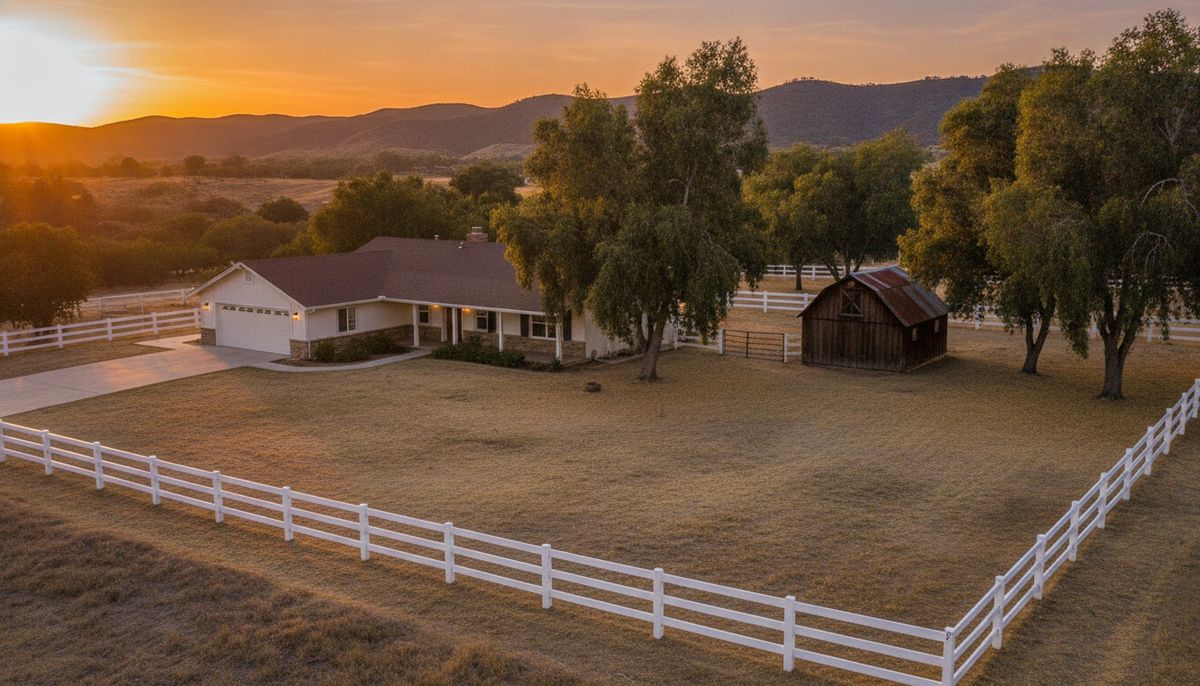
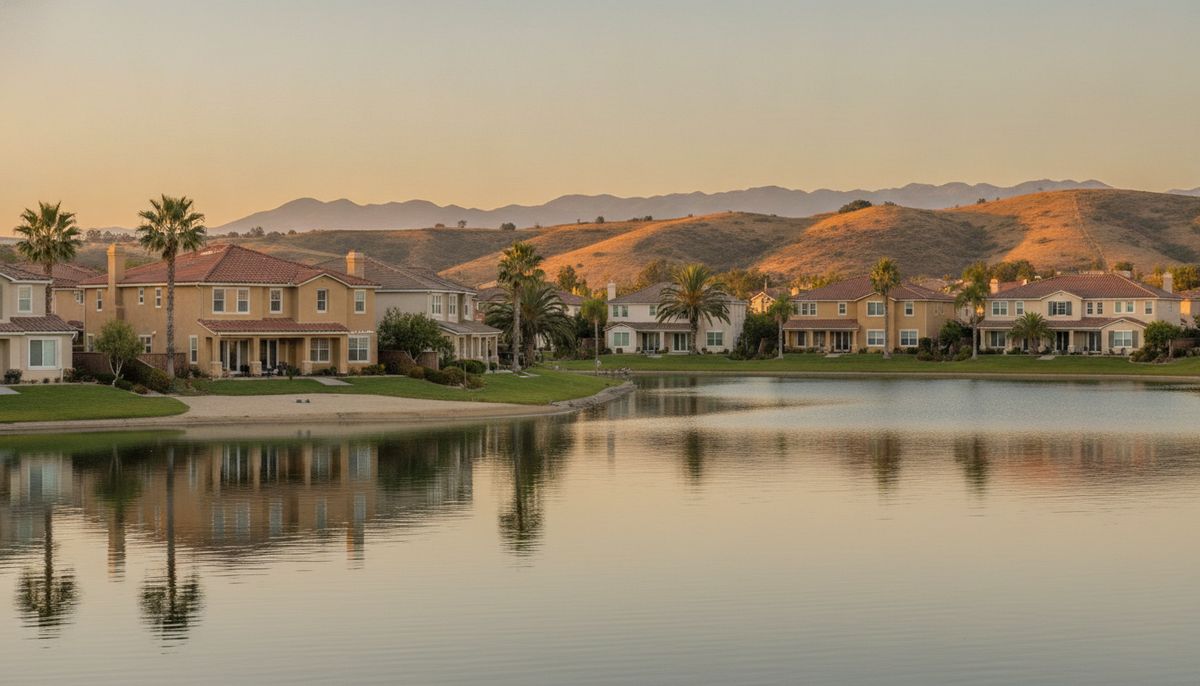
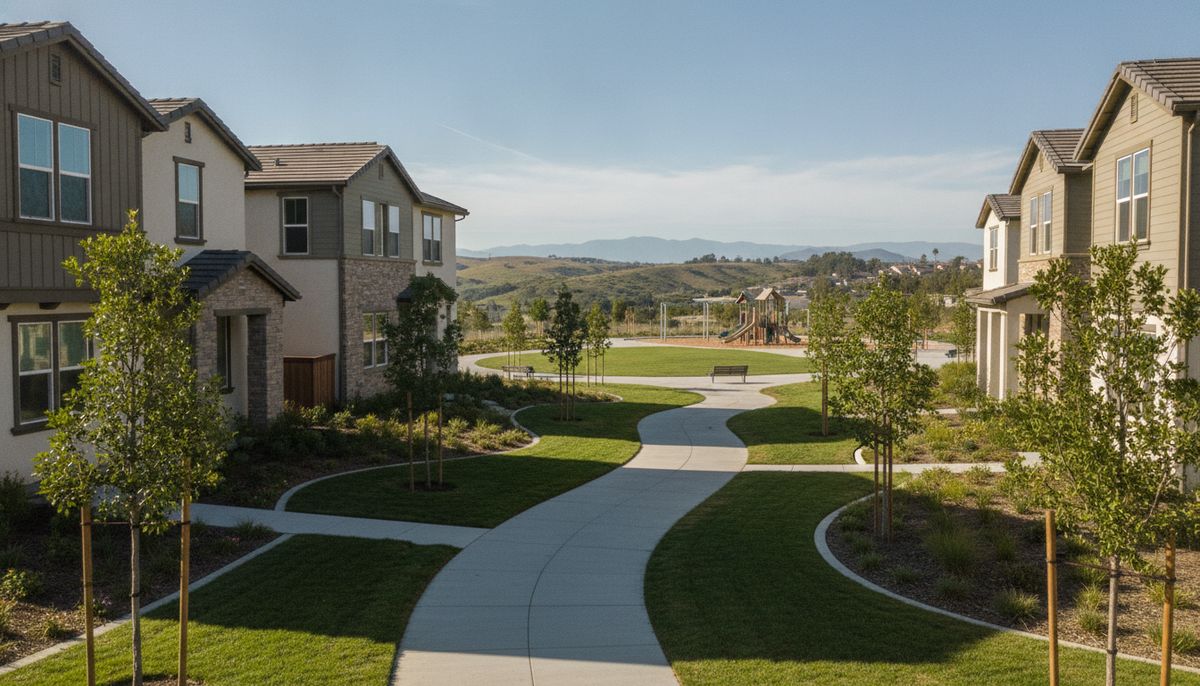
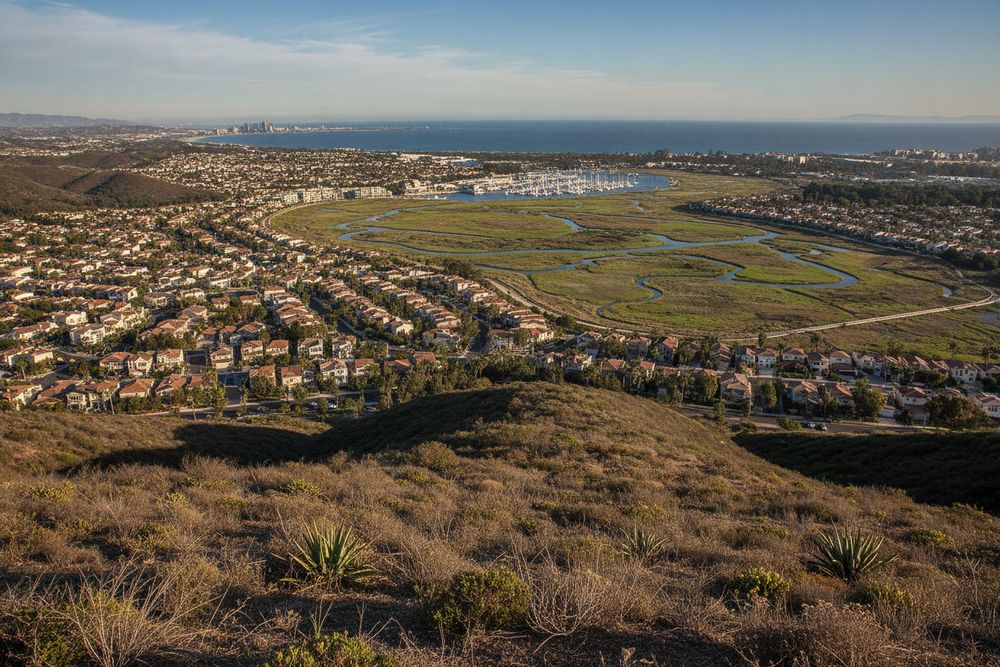
West of I-805, the city is a patchwork of 1920s through 1960s housing: Craftsman and Spanish revival homes near Third Avenue, small post-war ranch houses in Castle Park, and generous older lots in the Hilltop area that hint at the citrus-era grid. Apartments and condo complexes line the main corridors. Farther east, Bonita Long Canyon, Terra Nova and Rancho del Rey added tracts and planned unit developments in the 1970s and 1980s; from the late 1980s on, Otay Ranch, Eastlake and Rolling Hills Ranch brought bigger houses on tighter lots, together with townhouses, detached condominiums and more recent age-restricted enclaves.
How Chula Vista sales behave
The market here is really several markets under one city name. Western Chula Vista attracts buyers seeking older homes on bigger lots, investors and families looking for ADU potential, with prices generally below the eastern side. The east draws buyers who want newer construction, community pools, parks and HOA-maintained streets, accepting special taxes and association dues in exchange. Bay and canyon views, proximity to SR-125 and I-805, and the condition of 1980s-era homes all shape demand. Condos and townhomes provide the entry point on both sides of the freeway, while large view homes in the eastern hills mark the top of the range.
Neighborhoods and subdivisions
Castle ParkRancho del ReyRolling Hills RanchSunbowTerra NovaThird Avenue Village
Landmarks
- Chula Vista Bayfront and marina
- Sweetwater Marsh National Wildlife Refuge
- Third Avenue
- Living Coast Discovery Center
- Otay Lakes
Appraisal watch points in Chula Vista
Comparing a 1950s Castle Park house with a 2000s Otay Ranch house is almost never appropriate, so the appraiser keeps comparable searches inside the same era and planning area. On the far side of I-805, HOA fees and Mello-Roos community facilities district levies change from subdivision to subdivision and shape what purchasers are prepared to offer. On the west side, lot depth, alley access and ADU potential matter more. Freeway noise, bay views and canyon frontage cut both ways. Chula Vista is squarely within Brian's in-person area, so the full menu applies here: desktop reports, the exterior-only Drive-By, and interior-inspected Standard reports.
Do Mello-Roos taxes in eastern Chula Vista lower a home's appraised value?
Yes, though only as far as the market evidence supports. The subject is set against recent closings that bear comparable special tax loads, typically drawn from the same village or the one next door, so the impact is already reflected in those sales. When a sale comes from an area with a noticeably different tax load or HOA dues, he weighs that difference rather than applying a formula. The report states the known assessments so attorneys and assessors can see how they were considered.