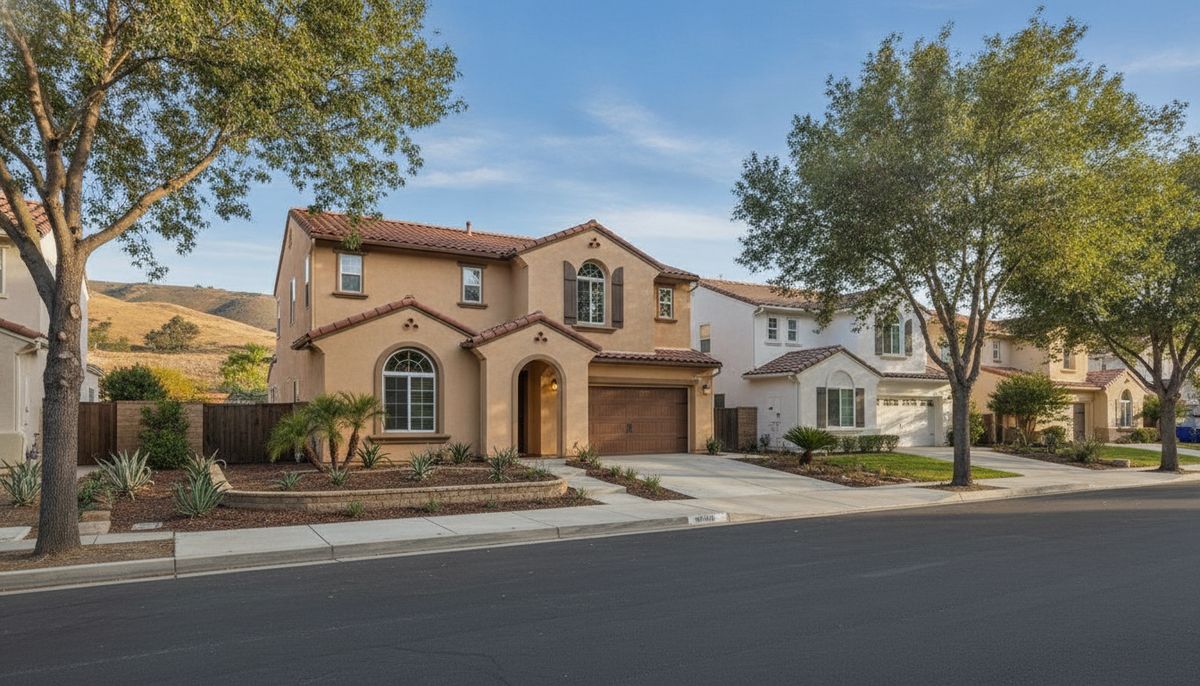
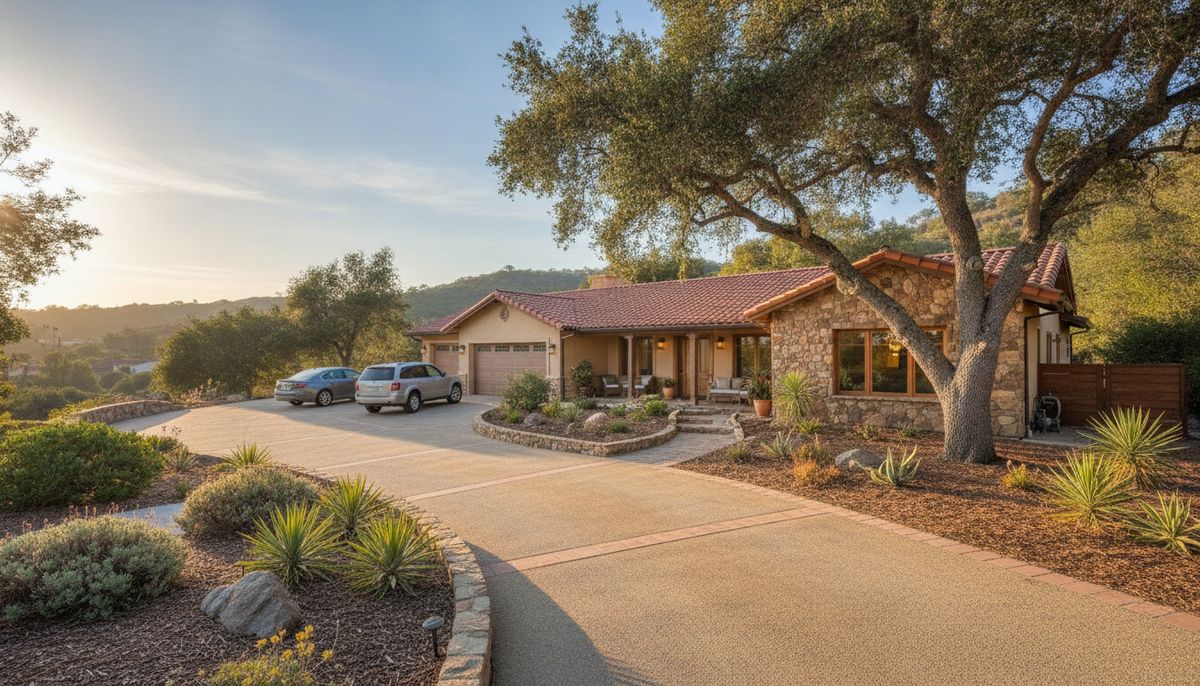
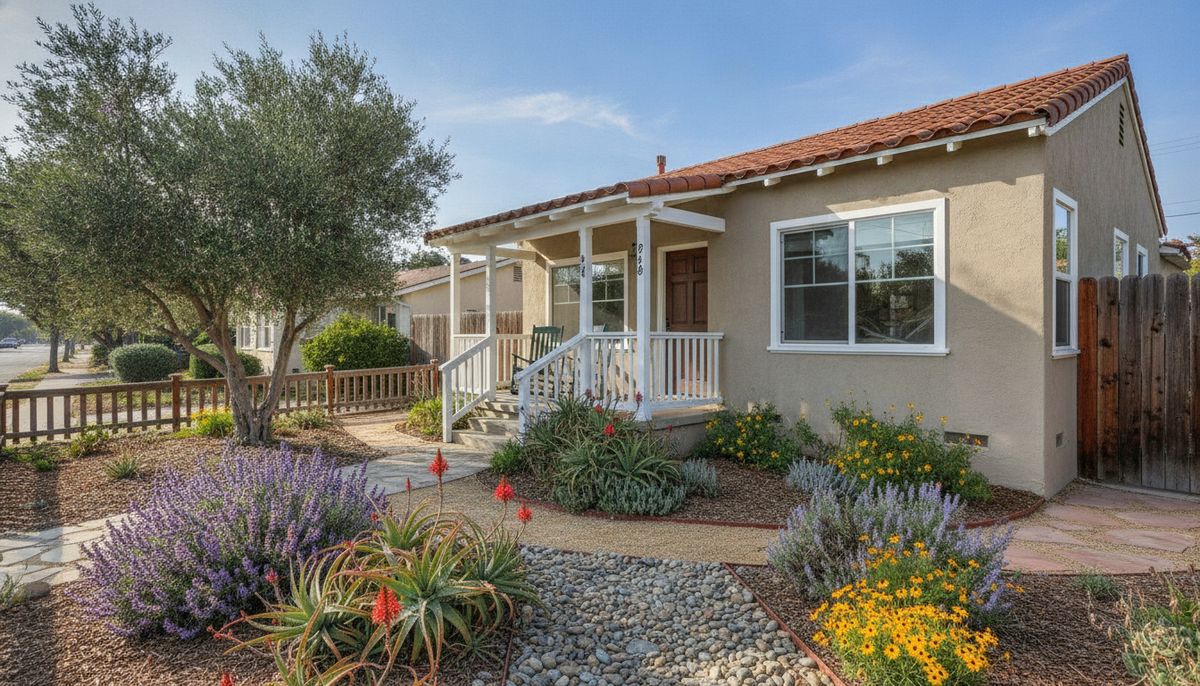
California treats property acquired during marriage as community property, and the family residence is usually the asset that decides how a settlement balances. Perhaps one spouse wants to stay and purchase the other's share, or perhaps both prefer to sell, yet either route stalls without a figure both sides accept. Brian Ward prepares appraisals for family law matters that state a clear effective date, explain every comparable and avoid advocacy. Because he works for neither side's agenda, his reports are often shared with both parties, a mediator or the court. He has completed thousands of appraisals since 2004 and understands that the document may be read line by line by opposing counsel. Poway homes and other properties in his in-person communities can be inspected inside and out; property elsewhere in California is appraised by desktop report.
Who asks for this report
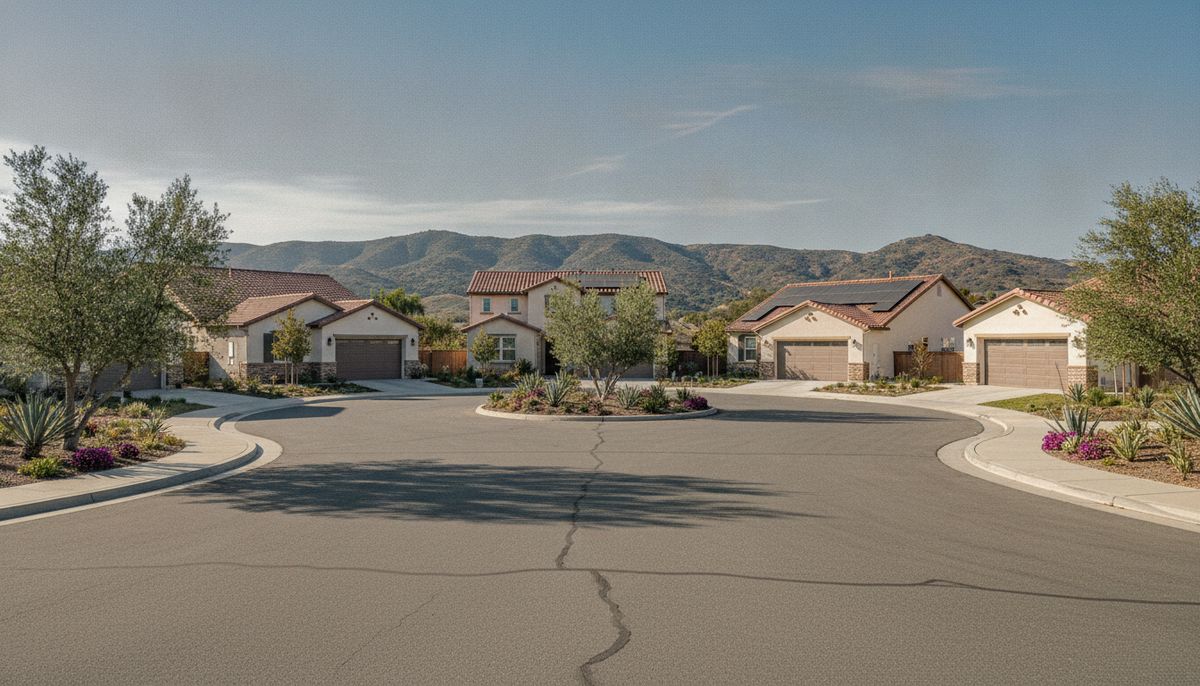
Family law attorneys order many of these reports, sometimes jointly so that one appraisal serves both clients. Mediators recommend a single neutral valuation to keep costs down and reduce argument. Spouses representing themselves order reports directly, often to test a figure the other party proposed. Some clients need two values: one at the date of marriage, to trace a separate property contribution, and another near trial. Collaborative divorce teams and financial specialists who prepare settlement proposals also request them. Brian is not a party's advocate in any of these roles; his task is a credible opinion of market value.
How Brian handles it
Under Family Code section 2552, community assets are generally valued as close to trial as practicable, though good cause lets the court pick another date, so counsel or the parties set the effective date before any research starts. A retrospective date may also be needed for separate property tracing, such as a Moore-Marsden calculation when one spouse owned the home before marriage. Brian then selects comparable sales that a skeptical reader on either side would recognize as fair: similar age, size, lot and location, with adjustments written out rather than buried. He avoids leaning on sales that only one spouse's agent would favor. Desktop reports, available anywhere in California, are common in amicable cases. In his in-person communities, a Standard report includes an interior visit, which helps when one spouse remains in the house and the other has not been inside for months. The Drive-By option fits cases where the occupant will not allow entry but an exterior look is still reasonable.
In Poway and inland North County
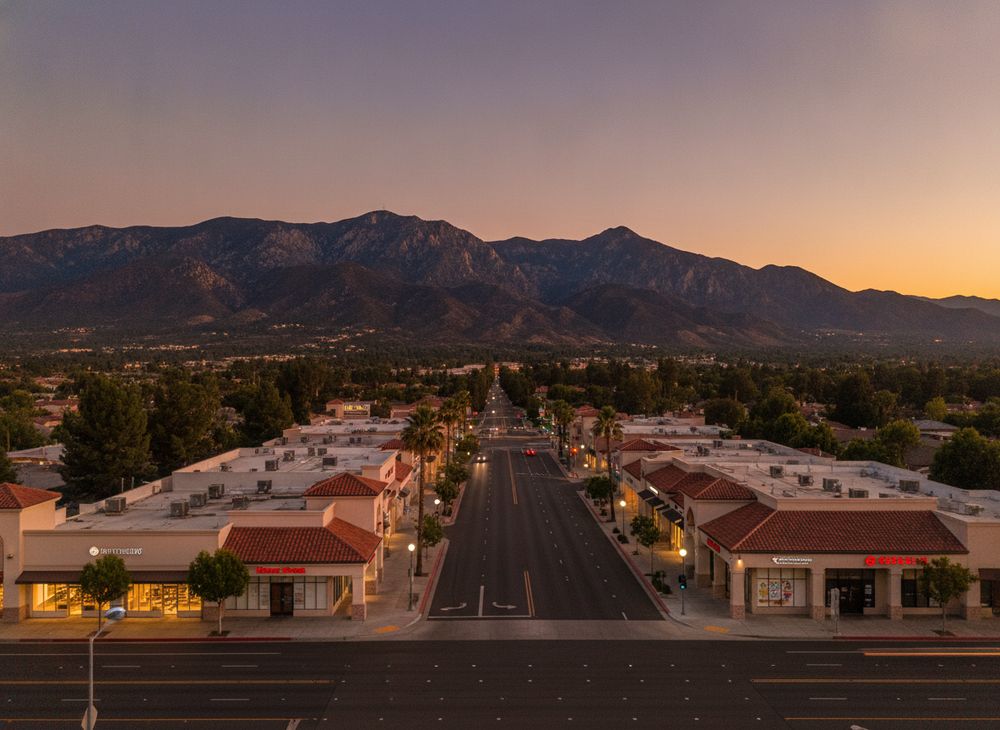
Divorcing couples in Poway frequently own homes with features that pull values in opposite directions. A pool and RV parking on a half-acre off Community Road may appeal to many buyers, while a bonus room converted without permits may not count as living area at all. Horse property raises its own questions: whether the arena, stalls and trail access add value in this market or simply cost money to maintain. Homes near the Poway Road commercial strip sell differently from those up Espola toward the hills. Brian names these factors directly, which lets each attorney see how the opinion was formed. When a spouse plans to keep a rural property, the report also helps them judge whether the buyout is realistic.
Gather these first
- Date of separation and any trial or settlement date counsel has set
- Grant deed and purchase closing statement
- List of improvements and their approximate dates
- Permit records or notes on unpermitted additions
- Contact details for both attorneys if the report is joint
- Access instructions if one spouse occupies the home
Questions
Which date should a divorce appraisal use?
Community property in California is normally valued near the trial date as practicable, yet the court may pick another date, and negotiated settlements sometimes agree on the separation date. Some cases also need value at the date of marriage. Brian asks counsel or the parties to specify the date in writing so the report answers the question the case actually presents.
Can both spouses share one appraisal?
Yes, and it often saves money. A joint engagement lists both parties, and usually both attorneys, as intended users. Brian treats each side's information requests equally and does not discuss the value with one spouse privately. If either party later wants a second opinion, that is a separate engagement with its own scope.
What if one spouse will not let the appraiser inside?
Brian can complete a Drive-By report in his in-person communities, or a desktop report anywhere in California, using public records, listing history and photographs. The report discloses that the interior was not observed and states the assumptions made. Counsel can then decide whether to seek an order allowing access for a full inspection.