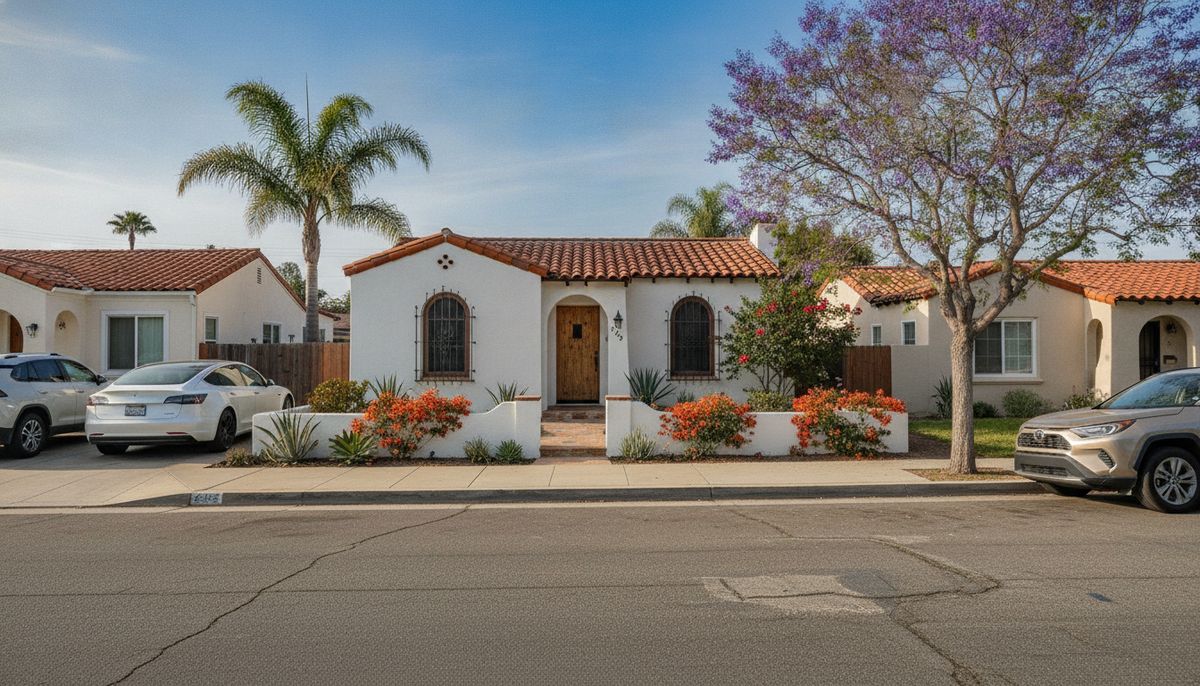
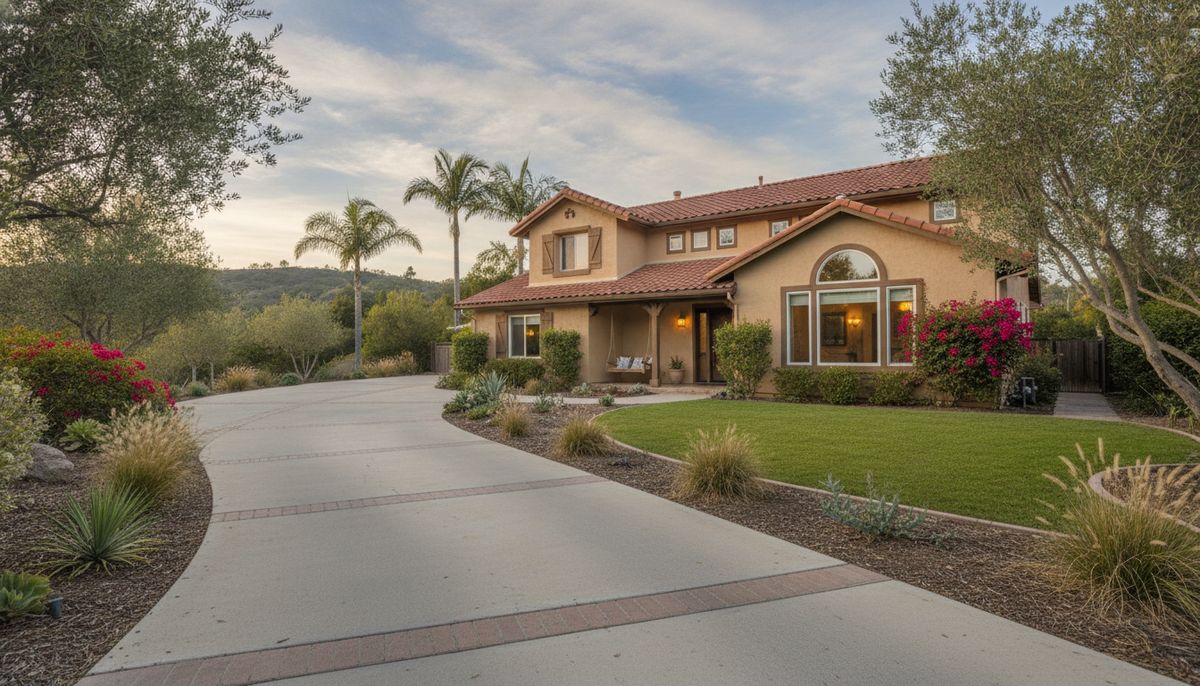
After a fire, flood or other disaster, homeowners face difficult questions about what they lost. Insurance policies cover replacement cost or actual cash value, while the IRS measures casualty losses by the decline in fair market value. Brian Ward prepares market value appraisals that address the property's value before and after a loss. These reports support insurance negotiations, IRS casualty loss deductions and legal claims. They do not estimate construction costs; a contractor or adjuster handles that work. Instead, Brian focuses on how the market would have valued the property at the relevant dates. He has worked in San Diego County since 2004 and understands the impact of wildfire on local property values. He can inspect damaged properties in Poway and his other in-person communities, and prepares desktop reports elsewhere in California.
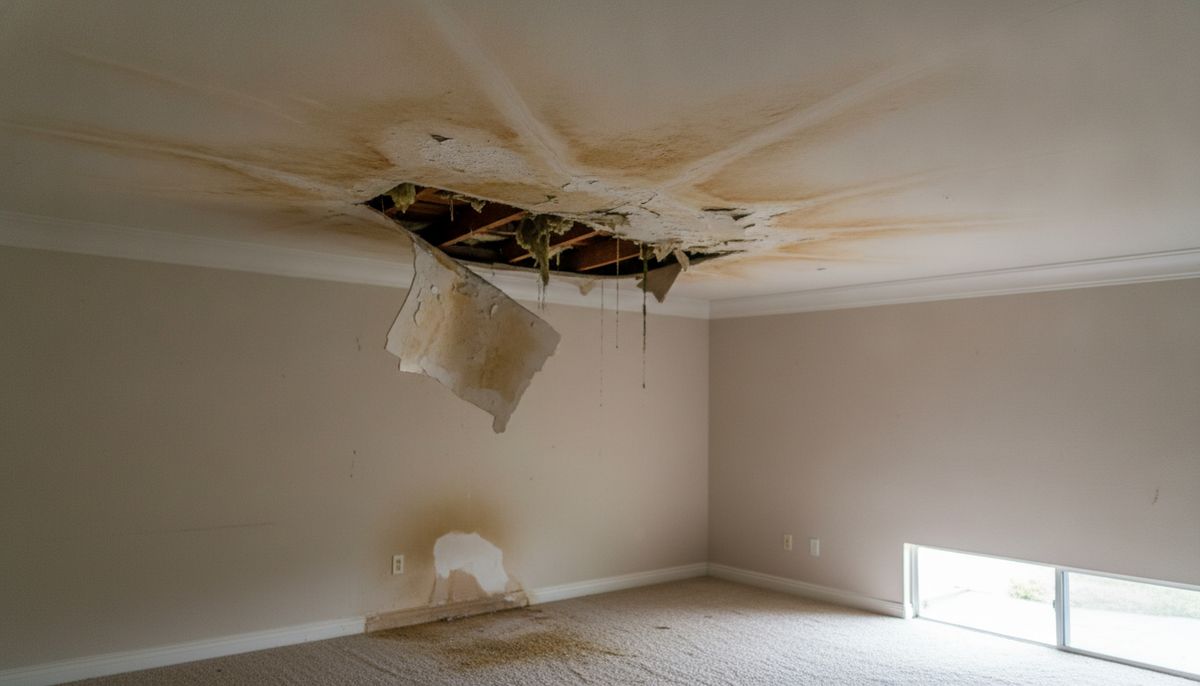
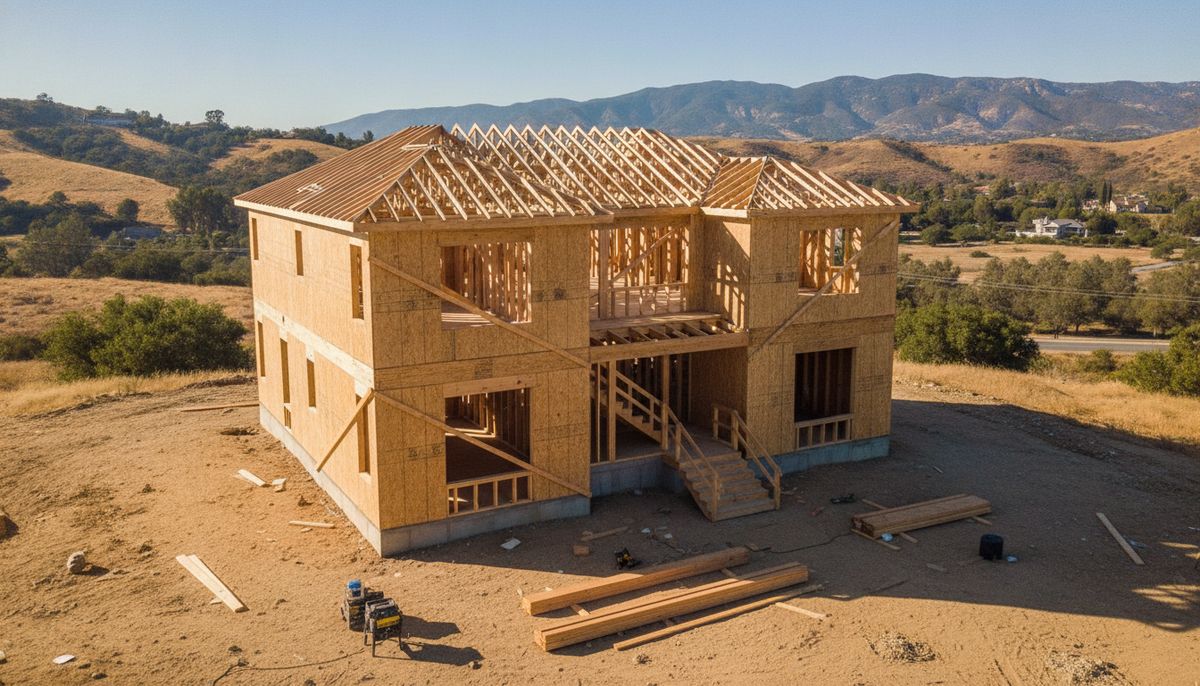
Who asks for this report
Homeowners whose property was damaged by fire, flood or earthquake order these reports, often at the suggestion of a public adjuster or tax preparer. CPAs preparing casualty loss deductions for federally declared disasters need before-and-after values. Attorneys representing homeowners in insurance disputes use them to support claims. Some clients need to show the market impact of a loss on a property that was not fully destroyed, such as a home with significant smoke damage or a lost outbuilding. Trustees and executors also call when an estate property was damaged between the date of death and the sale.
How Brian handles it
Two effective dates are common: one immediately before the loss and one after. For the before value, Brian identifies sales that closed before the event and reflect the property's condition at that time. For the after value, he considers the property as it stood following the damage, looking for sales of damaged homes or vacant lots where available. When such sales are scarce, he explains the method used to estimate the after value. IRS Publication 547 explains that a casualty loss is measured by the decrease in fair market value, limited by adjusted basis, and an appraisal is one way to document that decrease. Report format depends on the situation. A desktop report can establish before values anywhere in California. In his in-person communities, a Standard or Drive-By report allows Brian to document damage directly, which is often essential for the after value. He keeps the two conclusions in separate sections so readers can see each one's support.

In Poway and inland North County
Poway has a direct history with wildfire. Many homes were damaged or lost when the 2003 Cedar Fire and the 2007 Witch Creek Fire burned through. Big sections of the city are now mapped by the state as very high severity fire hazard zones, so rural parcels with brushy slopes remain exposed. After a fire, determining the value of a burned lot requires sales of other burned or vacant parcels, which may be limited. Properties with horse facilities, barns or other outbuildings present additional complexity if those structures were lost. Brian approaches these assignments with an understanding of how fire affects the local market, including buyer concerns about insurance availability and rebuilding costs.
Gather these first
- Date of the loss and description of what happened
- Pictures of the property taken before and after the loss
- Insurance policy declarations and claim correspondence
- Contractor estimates or adjuster reports
- Disaster declaration information if applicable
Questions
Does an appraisal show the cost to rebuild?
No. An appraisal is an estimate of market value, meaning the price a purchaser would pay for the property. Reconstruction cost is a separate figure estimated by contractors or insurance adjusters. The two can differ significantly, especially in areas where land value is high. Brian's reports focus on market value before and after the loss.
Can a before-loss value be determined after the property burned?
Yes. Brian uses public records, prior listing information, photos and the owner's description to reconstruct the property's condition before the loss. He then selects comparable sales from before the event. Photos taken before the loss, even casual holiday snapshots or old listing images, are especially helpful in documenting finishes, upgrades and overall condition.
How does a casualty loss appraisal help with taxes?
For federally declared disasters, the IRS allows a casualty loss deduction based on the decline in fair market value, subject to limits. An appraisal showing the before and after values documents that decline. A CPA can explain current rules, the limits tied to adjusted basis and whether the deduction applies to a particular situation.