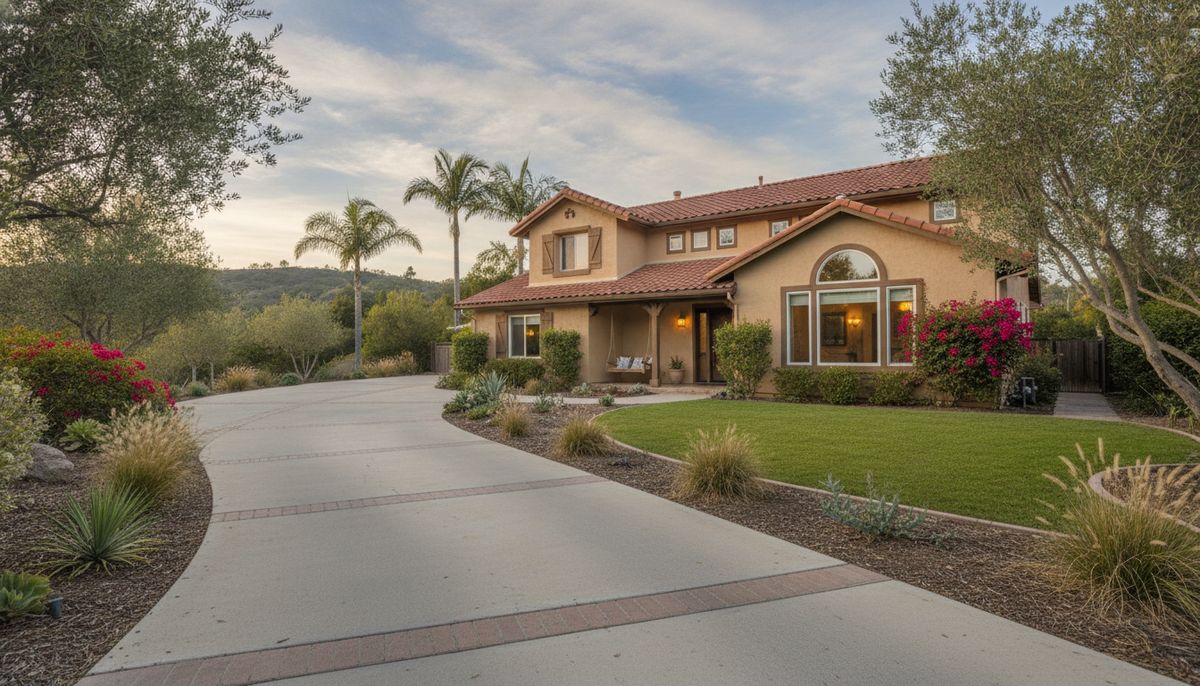
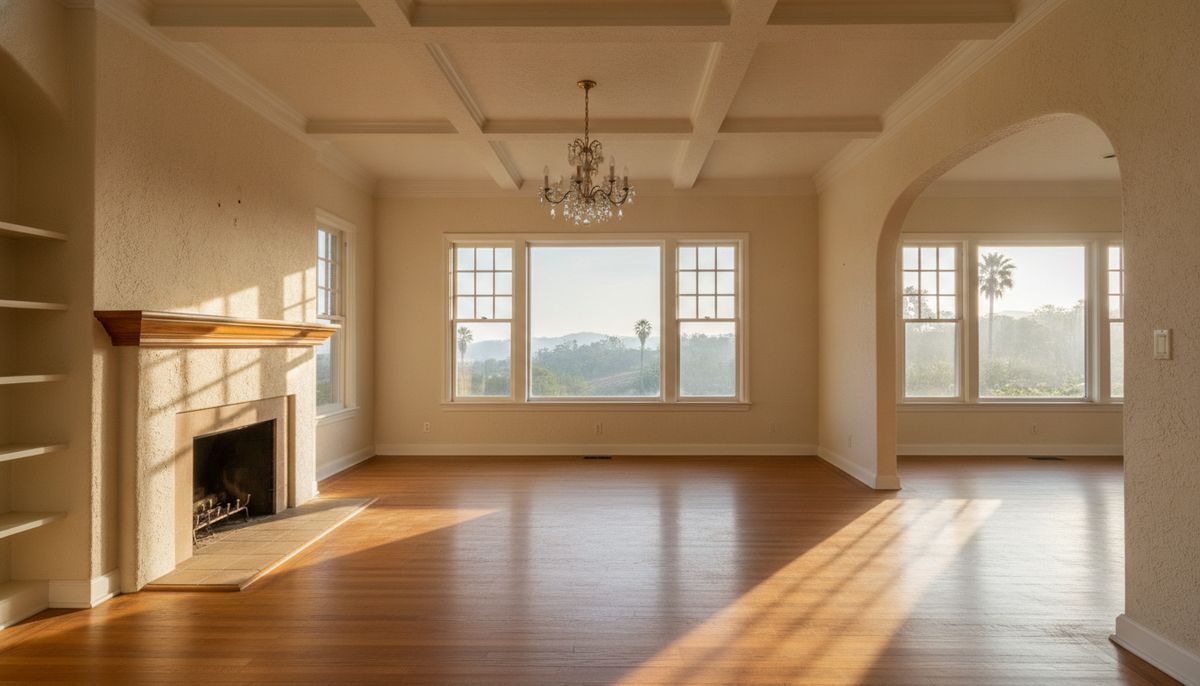
Some property values are argued about rather than simply needed. A partition suit between co-owners, a trust contest, a claim that a seller concealed a defect or a disputed buyout can each hinge on what a house was worth on one particular day. In those cases the appraisal is evidence, and its author may have to defend it under oath. Certified in California since 2004 and with upward of 7,000 appraisals completed, Brian Ward writes reports meant for litigation and is able to testify about them at trial or deposition. His reports lay out the data, the reasoning and the limits of the analysis so that a judge, arbitrator or opposing expert can trace each step. Homes in Poway and his other in-person communities can be inspected; property elsewhere in California is analyzed through desktop reports.

Who asks for this report
Civil litigators make up most of this client group. Attorneys handling partition actions among siblings or former partners need a value to divide or to set a buyout. Probate and trust litigators require values at past dates, such as when a trustee sold a home to a relative. Family law counsel retain him when a case moves from negotiation toward trial. Real estate attorneys pursuing nondisclosure or breach claims ask how a defect or a broken contract affected value. Arbitrators and mediators occasionally request a single appraisal both sides agree to accept, which can shorten a dispute considerably.
How Brian handles it
Each engagement begins with a conversation about the questions counsel needs answered, because the assignment defines what the report can and cannot say. Brian confirms the property, the effective date, the intended users and any extraordinary assumptions the case requires, such as valuing a home as if a defect had been disclosed. Litigation often calls for retrospective dates, so he limits his data to sales and listings that a market participant could have known then. Comparable selection is deliberately conservative; he prefers sales that opposing counsel will struggle to dismiss over ones that merely push the number in a helpful direction. Every adjustment is explained in the narrative. If testimony follows, he prepares by reviewing his file and any opposing report. On format, a desktop report can serve early case evaluation anywhere in California. Within his in-person communities, an interior-inspected Standard report tends to carry greater weight once a case moves toward trial.

In Poway and inland North County
Poway disputes tend to involve the very features that are hardest to value. Heirs fighting over a ranch-style home on several acres may disagree about whether equestrian improvements add or subtract value. Hillside parcels above the Poway Valley floor can carry access easements, shared driveways or slope limits that one side treats as minor and the other as serious. Claims about undisclosed fire damage, drainage problems or unpermitted second units require Brian to measure what buyers actually pay for homes with and without such issues. He anchors those conclusions in local sales, including properties in Ramona, Escondido and Rancho Bernardo when Poway alone does not supply enough comparable evidence.
Gather these first
- Case caption and the retaining attorney's contact
- Effective date or dates the case requires
- Short statement of the disputed issues
- Any opposing appraisal or broker opinion
- Deeds, contracts, disclosures or permits bearing on value
- Deposition or trial dates already scheduled
Questions
Is testimony included with the appraisal report?
No. The report and any deposition or trial testimony are separate pieces of work. Brian discusses expected testimony with the retaining attorney at the start so that scheduling, preparation time and scope are clear before the report is written. Attorneys should mention known court dates early, since preparing a defensible report takes time and testimony must fit an existing calendar.
Can the effective date be several years in the past?
Yes. Retrospective dates are common in litigation, whether the relevant moment is a death, a sale between relatives or the day a contract was signed. Brian relies only on sales and listings known around that date, and he describes the property in its condition at the time, using records, photographs and documents supplied by the parties.
Will the report favor the side that retained him?
An appraiser who adjusts conclusions to suit a client loses credibility quickly in front of a judge. Brian's role is to give an independent, supported opinion of market value; the attorney decides how to use it. If the value turns out unhelpful, counsel learns that before trial, which is also useful information for settlement.