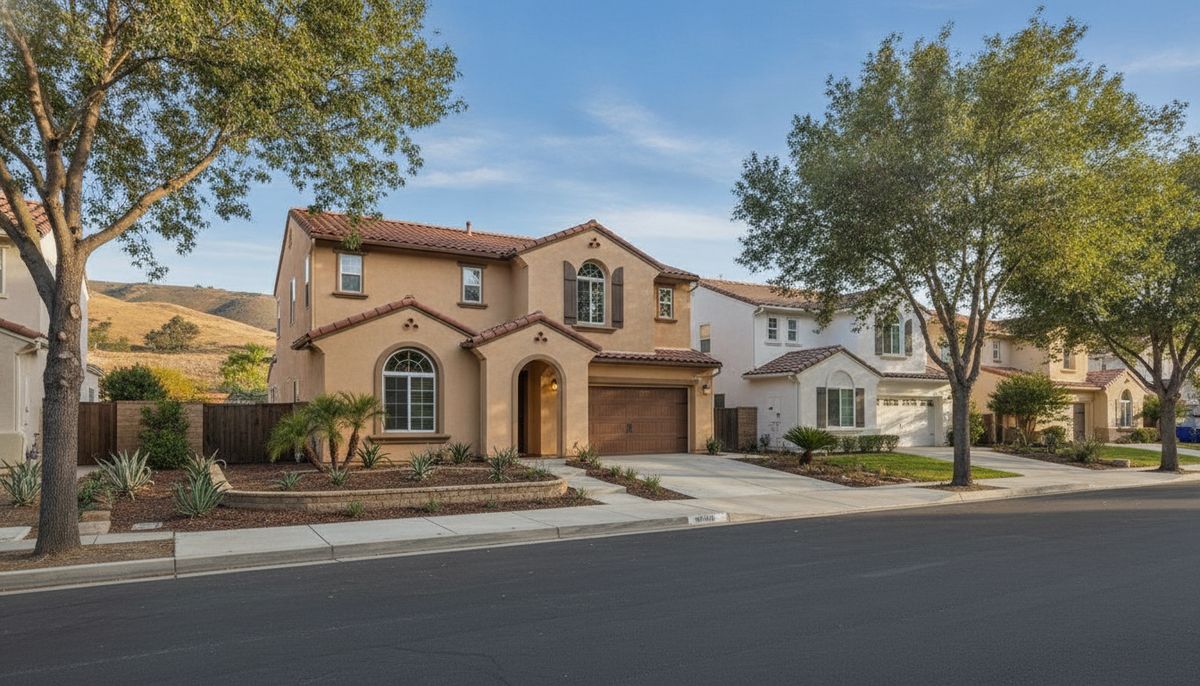
When a parent or spouse dies, the house usually becomes the largest asset anyone has to account for, and the number that matters is its value on that exact day rather than today. Federal tax law resets an heir's basis to the property's fair market value on the date of death; when the heir later sells, gain is measured from that figure, not from what was paid decades earlier. Certified in California as a residential appraiser since 2004, Brian Ward produces retrospective valuations keyed to the date shown on the death certificate. After reviewing closings near that date and describing the house as it was then, he signs a report a tax preparer can place in the file. The work suits families in Poway, across San Diego County and, by desktop report, anywhere else in California.
Who asks for this report
Executors and successor trustees order most of these reports, often at the suggestion of an estate attorney or the CPA preparing the final returns. Surviving spouses ask for them when a community property home receives a basis adjustment on both halves. Heirs who sold an inherited house years ago and never documented its value sometimes come later, after a tax notice prompts the question. Siblings dividing an estate use the same figure to settle buyouts among themselves. A few clients are fiduciaries handling a Form 706 estate tax return, where the appraisal becomes a supporting exhibit. In every case the client is a private party or a professional acting for one; the report is never used for home loans.
How Brian handles it
The effective date is fixed first: the date of death, or in rare estate tax filings the alternate valuation date six months later, if the CPA elects it. From there Brian pulls sales that closed within a few months on either side of that day, favoring ones that went into contract before it so the market he describes is the one the owner actually lived in. Permit records, archived listing pictures and county data help him rebuild the home's condition back then, since a kitchen updated after the funeral should not push up a backdated figure. Comparable selection leans on the same subdivision or rural road where possible, then widens with clear notes when acreage or outbuildings demand it. For report format, a desktop works anywhere in California and costs less. In his in-person communities, which include Poway, a Drive-By or Standard report adds an exterior or full interior visit, useful when heirs dispute condition or the house has sat untouched since the owner passed.

In Poway and inland North County
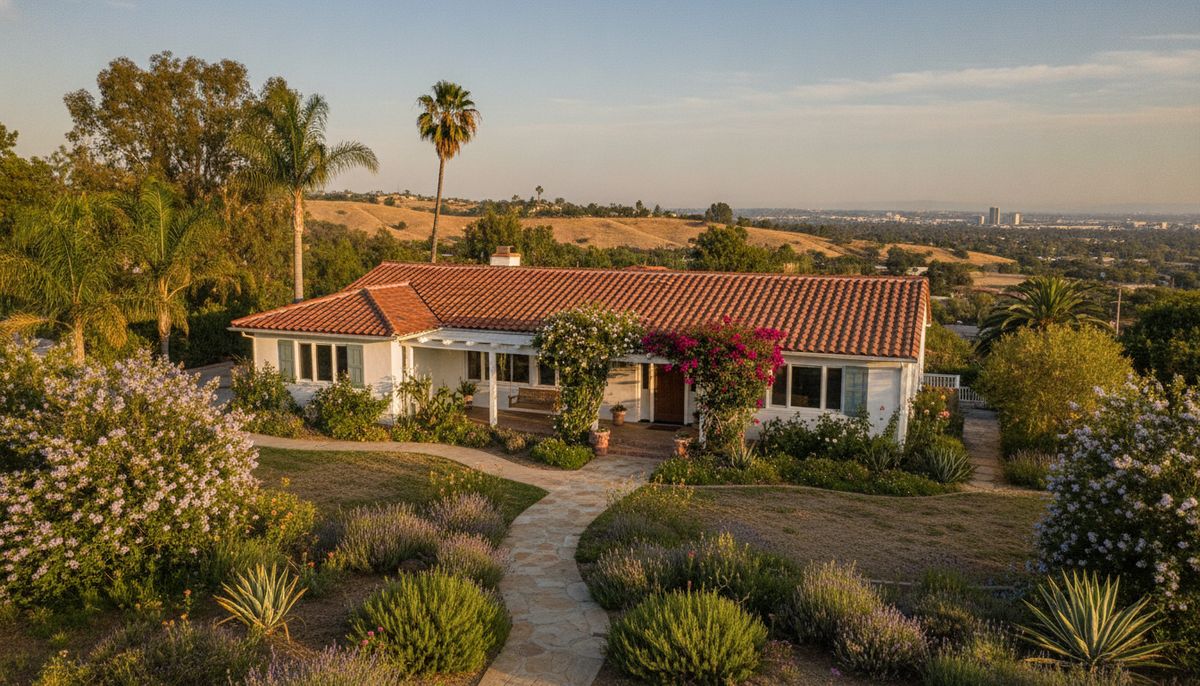
Many Poway estates involve homes bought in the 1970s or earlier, when ranch houses along Midland Road, Twin Peaks Road and the streets off Pomerado were new and land cost a fraction of what it does now. The basis jump at death can therefore be very large, and the tax savings depend on a well-supported number. Rural parcels in Green Valley or off Espola Road add complications: a horse barn, an arena, a second dwelling built long before current ADU rules, or a septic system nobody has inspected in years. Lots that burned or were threatened in the 2007 Witch Creek Fire may have rebuilt homes far newer than their neighbors. Brian accounts for each feature with sales sharing it, instead of treating an acre and a half with corrals like a tract lot near Poway Road.
Gather these first
- Death certificate showing the date of death
- Grant deed or trust schedule naming the property
- Most recent property tax bill
- List of improvements made before the date of death, with approximate years
- Photos of the home from around that time, if any exist
- Contact details for the attorney or CPA receiving the report
Questions
Can a date of death appraisal be done years after the owner died?
Yes. Retrospective work is routine. Using records, old listing photos and what relatives remember, Brian describes the home as it stood then and picks comparable sales recorded close to the date of death. A sale of the house in the meantime does not prevent the work, although that later price becomes one more data point the report has to reconcile and explain.
Does the IRS require a licensed appraiser for stepped-up basis?
The tax code ties basis to fair market value at death but does not hand heirs a single form for proving it. Most tax preparers favor a signed opinion from a state-certified appraiser, since it lays out the approach, the sales used and the appraiser's qualifications should the return ever be challenged. Families should ask their CPA what that particular file needs.
How is a date of death report different from an appraisal for selling?
The effective date sits in the past, so recent sales after that day carry less weight, and improvements made since the death are excluded. The intended users are also different: an executor, heirs and their tax advisers rather than a buyer or agent. Brian states the purpose, the effective date and the intended users plainly on the first pages of the report.