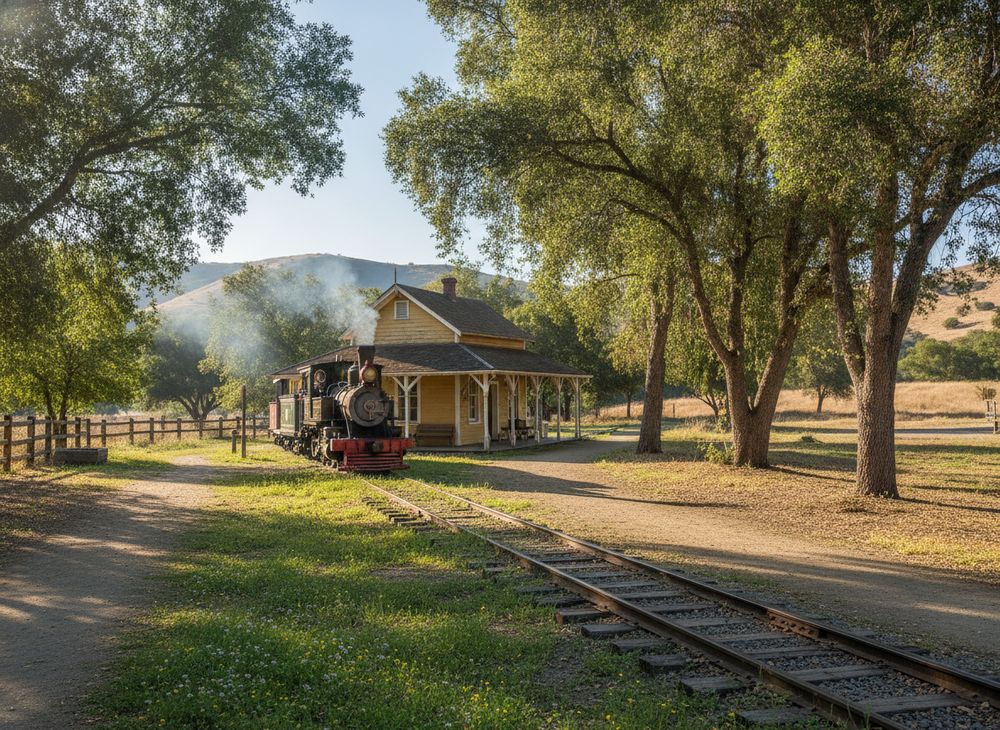
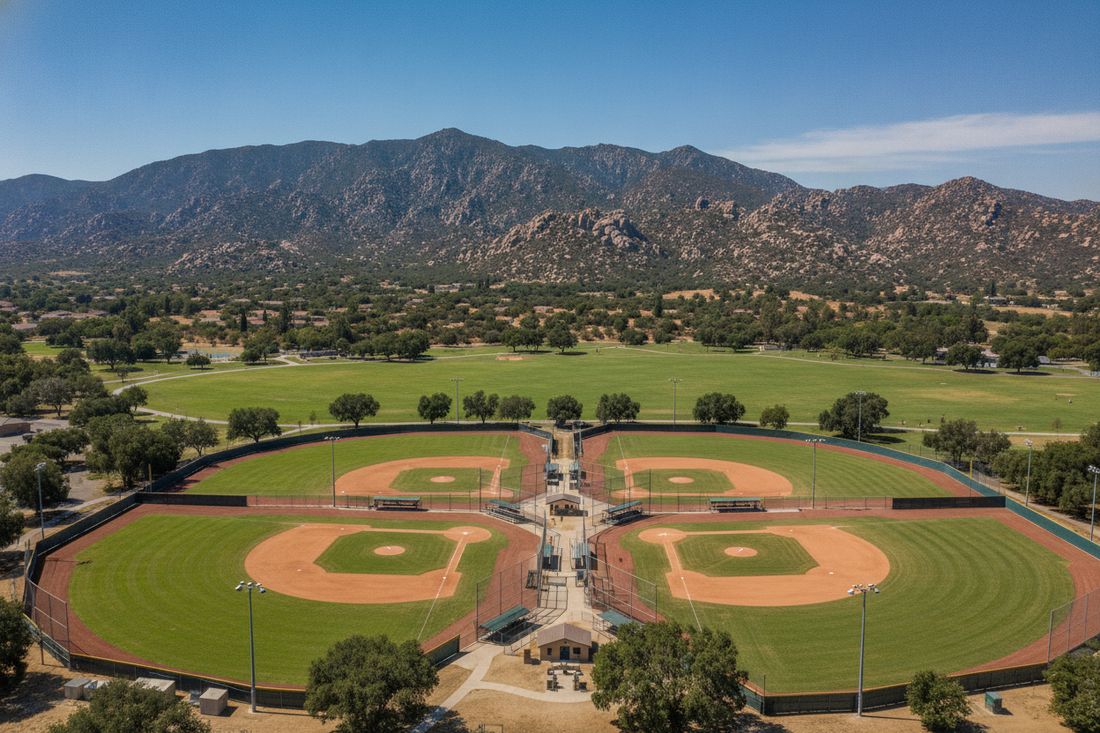
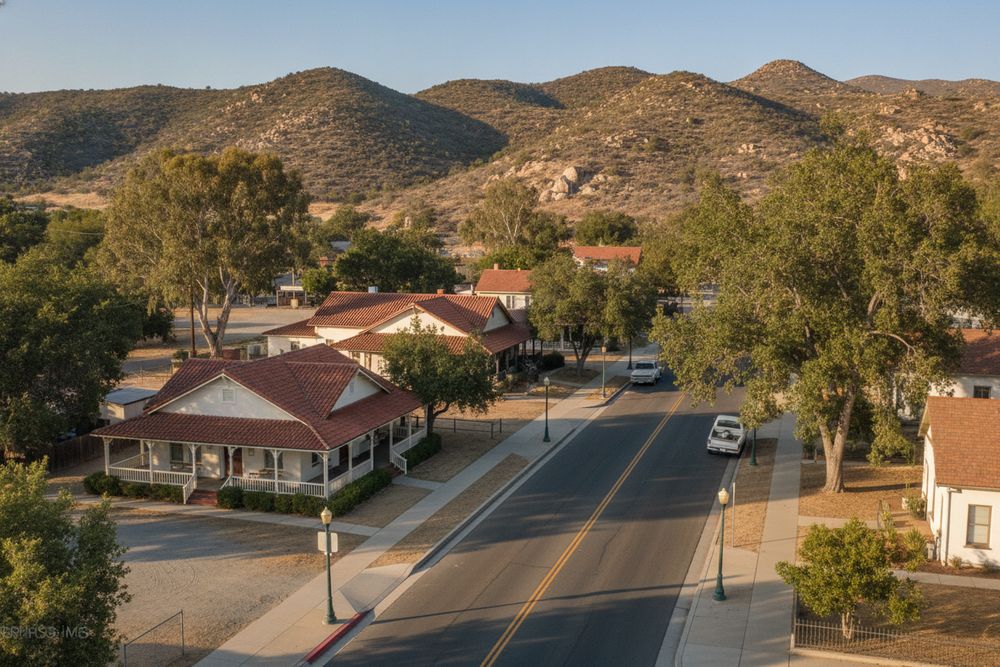
Old Poway is where the valley began acting like a town. Midland Road runs north from Poway Road past the five-acre Old Poway Park, which the city bought from Col. John Porter's estate in 1986 and opened in 1993. The park holds Templar's Hall, the town's first assembly hall, the 1918 Nelson farmhouse moved here from Garden Road, and a train barn for the 1907 Baldwin steam engine that still pulls weekend riders. Poway Road, the city's main commercial spine, cuts east to west just south of the park. The surrounding blocks are a patchwork of older homes, small commercial lots and later infill rather than a single subdivision.
The houses
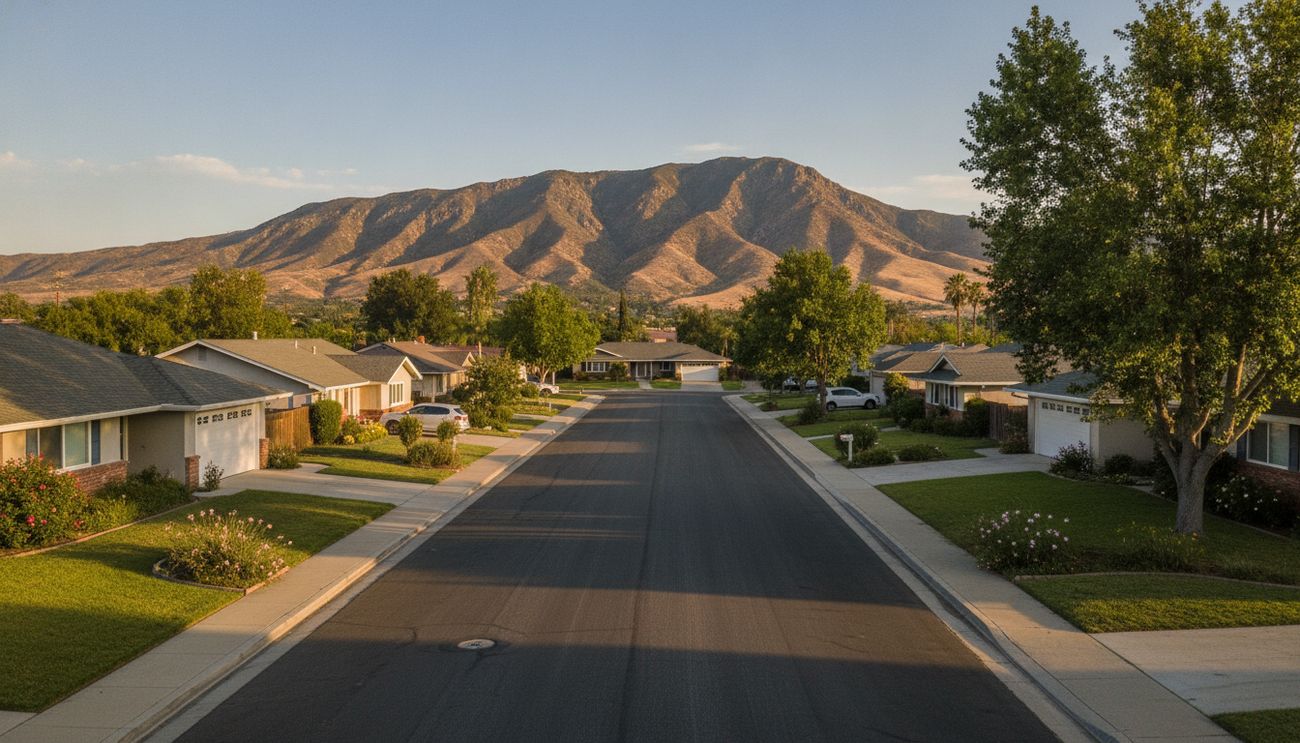
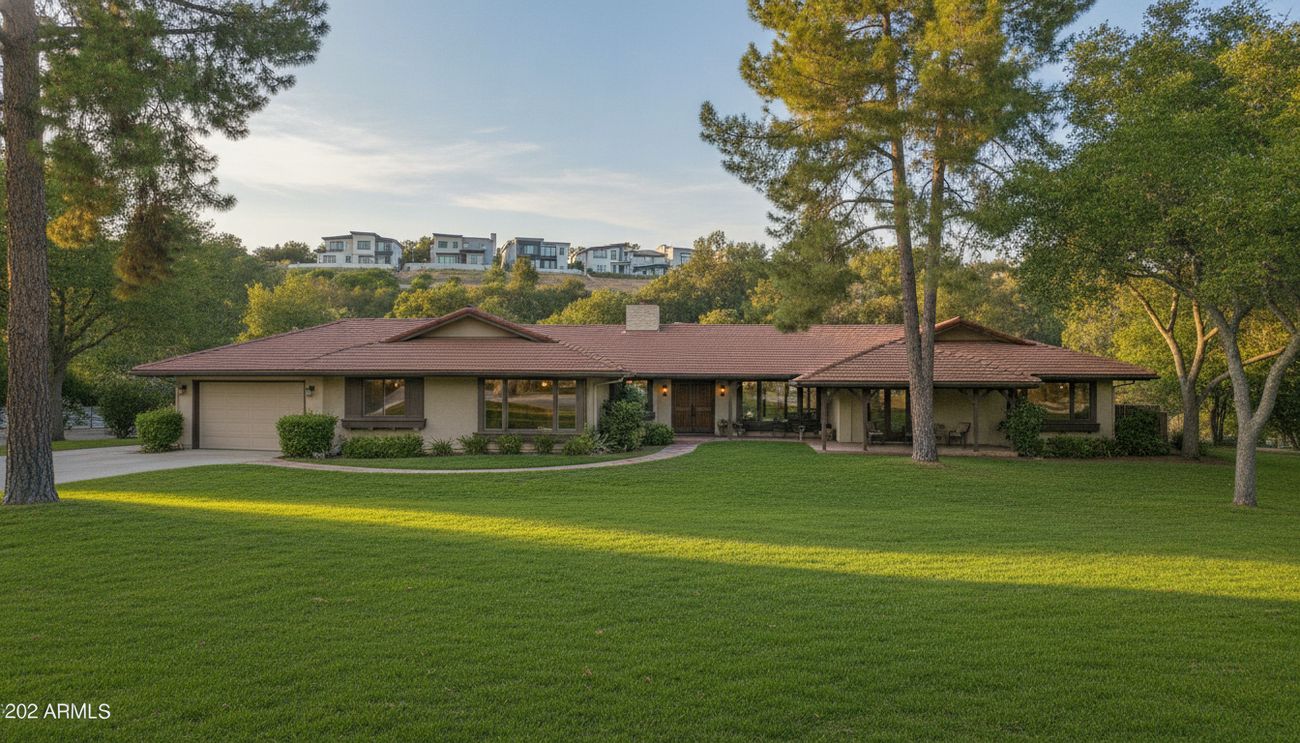
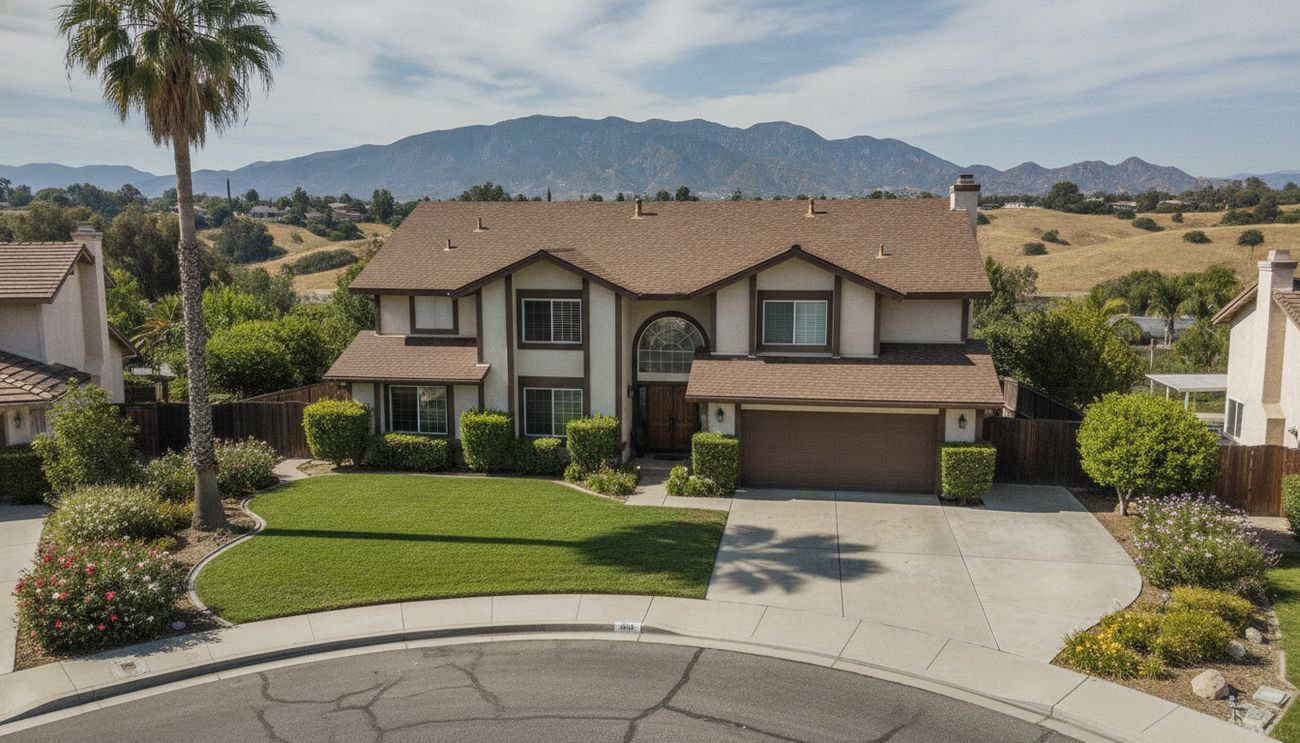
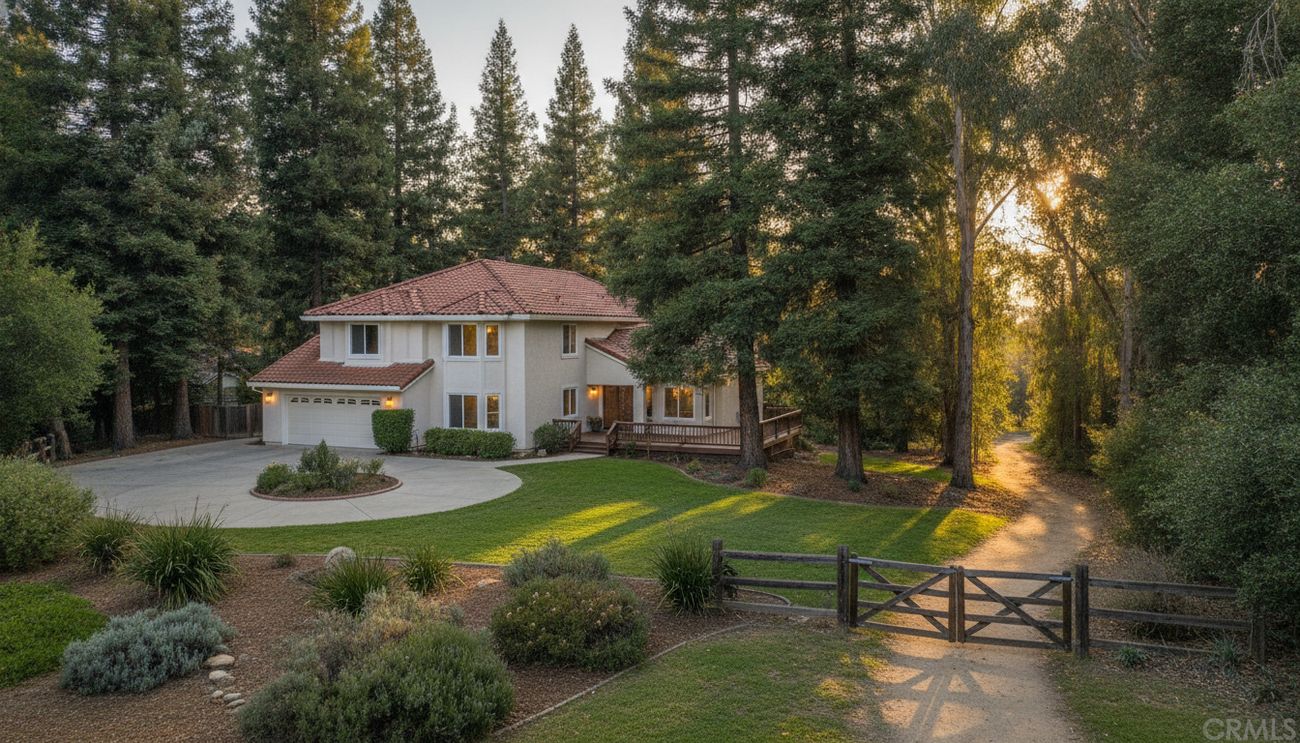
Houses around the Midland Road and Hilleary Place area span more decades than almost anywhere else in the city. A handful of mid-century cottages and ranch homes remain on deeper lots that once held orchards or chicken coops, alongside 1960s and 1970s single-story homes and some newer two-story infill where older parcels were split. Lot shapes are irregular because the streets predate modern subdivision maps, so a 6,000-square-foot lot can sit beside one closer to half an acre. Some parcels near the commercial corridor carry mixed-use or commercial zoning, and a few older homes have been converted to offices. Condominiums and apartments line stretches of Poway Road. Very few homes here match each other in age, size or layout, which keeps comparable selection hands-on.
Sales patterns
Buyers come to Old Poway for walkable access to the park, the railroad and Poway Road shopping, and that convenience supports prices for even modest older homes. The flip side is variety: because a 1950s cottage, a 1970s ranch house and a recent infill home can sit on the same block, a simple average of nearby sales means little. Lots with split potential or commercial zoning attract a different buyer than a homeowner looking for a yard. Brian sorts sales by age, lot use and zoning before drawing any conclusion about a specific address.
Appraisal points to expect
In this part of Poway the zoning map deserves as much attention as the floor plan. Brian checks whether a parcel is residential, commercial or mixed-use, whether the lot could be divided, and whether older additions were permitted. Effective age matters more than the year built when a 1950s home has been rebuilt around its original core. Traffic exposure on Poway Road or proximity to commercial uses can reduce appeal, while a quiet lot near the park can add to it. Since Old Poway lies inside Brian's in-person area, he can step inside for a Standard report rather than rely on assessor data that often lags behind real changes to these older houses.
Streets
Midland RoadPoway RoadHilleary PlaceTwin Peaks Road
Landmarks
- Old Poway Park
- Poway-Midland Railroad train barn
- Templar's Hall
- Nelson House
- Poway Community Park
What approach does Brian take with an Old Poway home that has grown through several rounds of additions?
He measures what is actually there and compares it against permit records. Many homes near Midland Road started small and grew in stages, so the living area on the assessor roll may be far off. Permitted additions are counted as living area; unpermitted rooms are described and usually weighted less. Brian then assigns an effective age based on the condition of the roof, systems and finishes rather than the original year, and picks comparables with similar character.