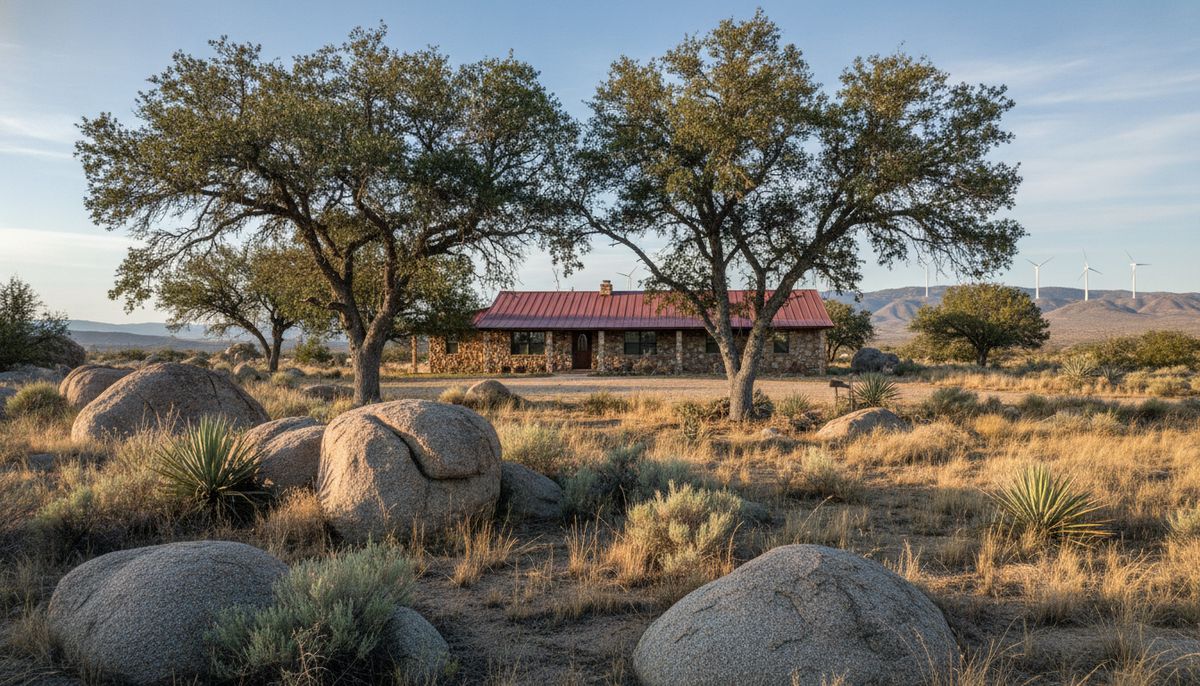
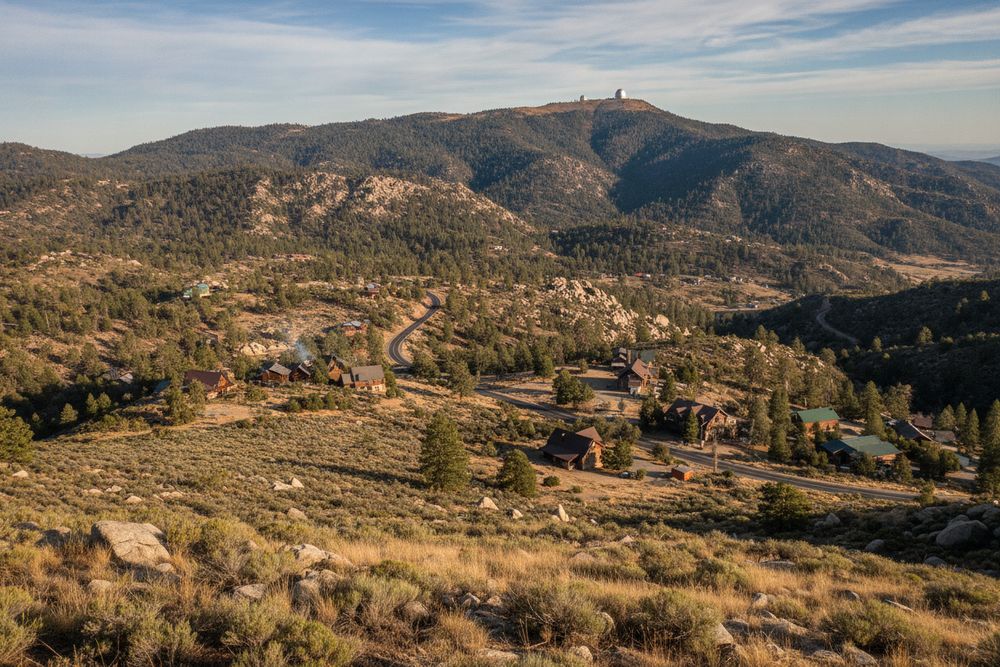
Mount Laguna, a village at roughly 6,000 feet inside the Laguna Mountain Recreation Area of the Cleveland National Forest, is reached by climbing Sunrise Highway (County Route S1). The village sits on the crest of the Laguna range, where Jeffrey pine forest drops off sharply to the Anza-Borrego desert on the east. San Diego State University operates the Mount Laguna Observatory nearby, and the Pacific Crest Trail follows the rim. A general store, a lodge, and several campgrounds serve visitors, and winter brings snow that attracts day trippers from the coast.
Homes and lots in Mount Laguna
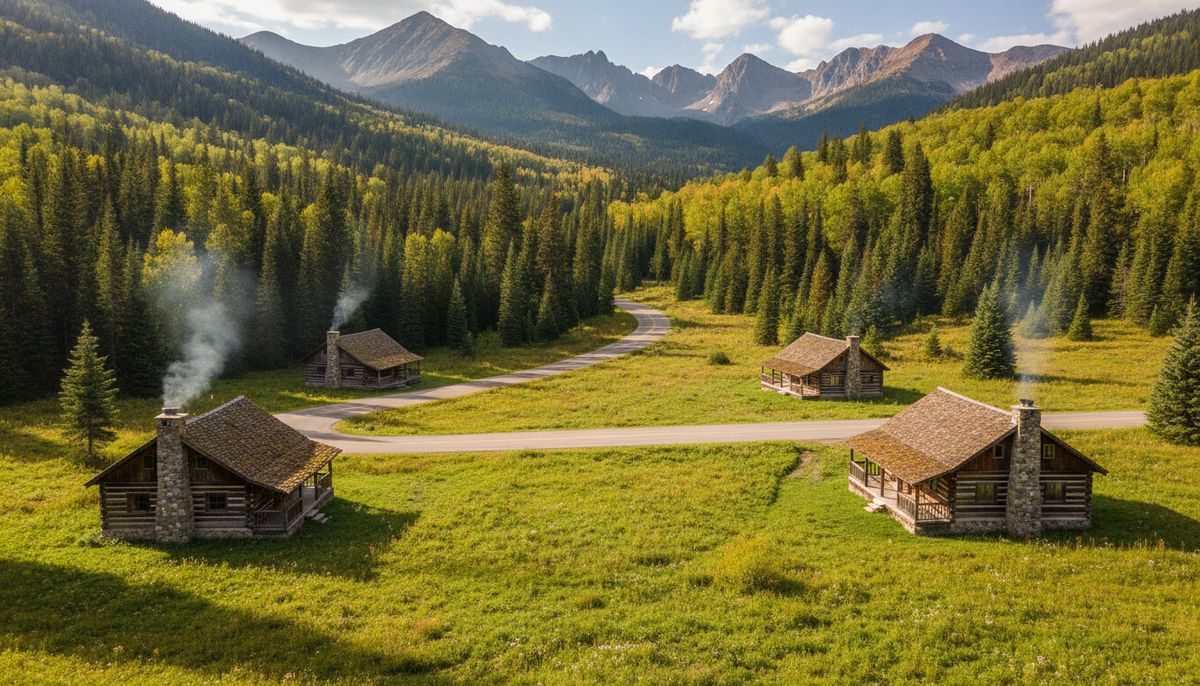
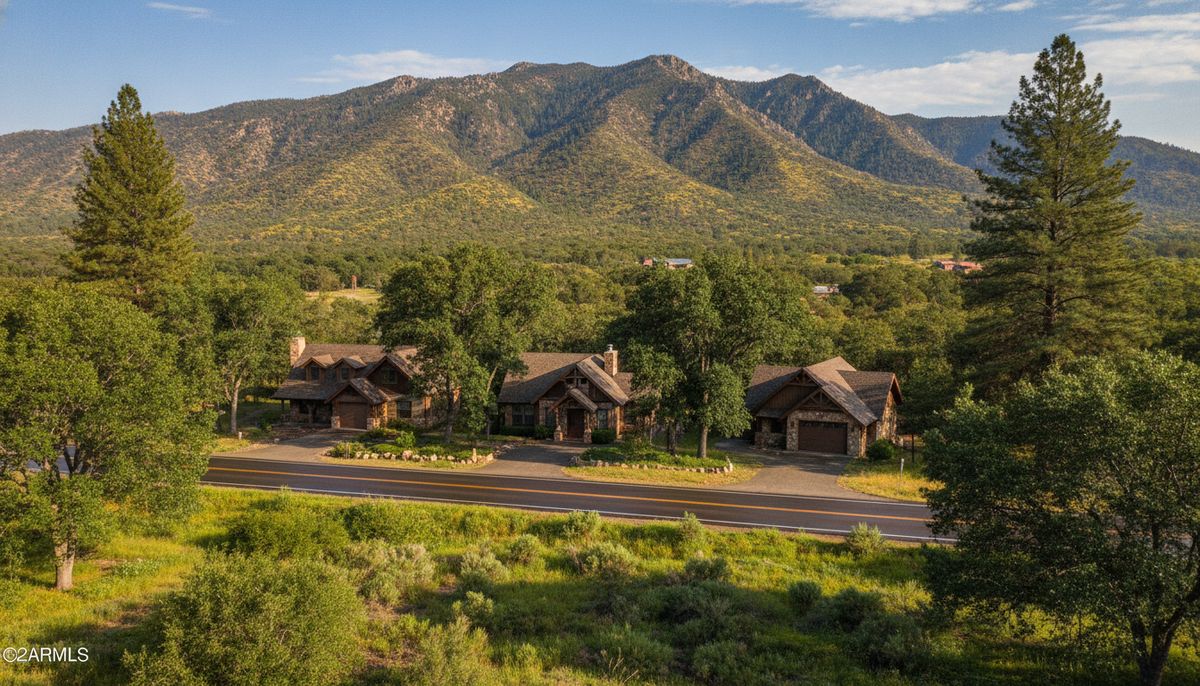
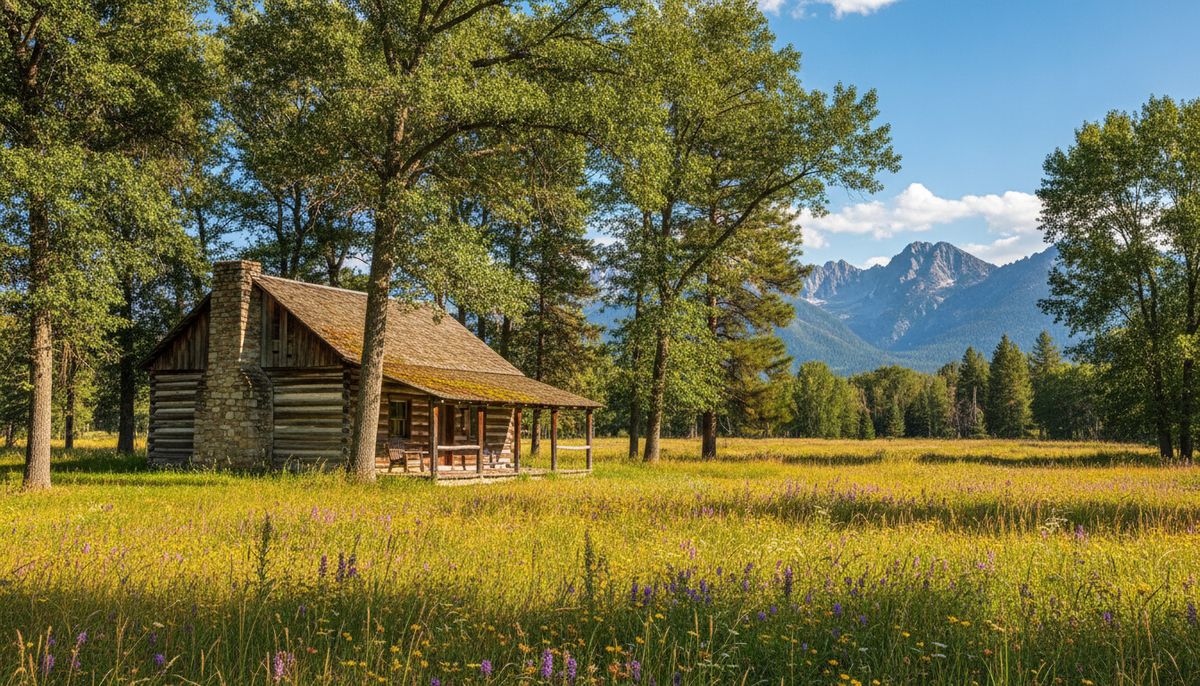
Many cabins at Mount Laguna stand on National Forest land under recreation residence permits, meaning the owner holds the cabin and a permit rather than the land itself. A smaller number of homes are on private parcels. Cabins date mainly from the 1920s through the 1960s, often built of wood with stone fireplaces and steep roofs. Lots are small and forested, and access may involve unpaved roads. Utilities can be limited, with water from local systems and septic or other arrangements.
How Mount Laguna sales behave
Sales are rare and attract buyers seeking a mountain getaway close to San Diego. Permit cabins sell for less than comparable private-land cabins because buyers acquire only improvements and the permit, with annual fees and Forest Service rules attached. Private parcels command a premium. Demand peaks in summer and around winter snowfall. Value tiers range from rustic permit cabins to updated cabins with views, and the scarce private homes occupy the top. Listings are typically marketed through word of mouth among permit holders as much as through public channels.
Neighborhoods and subdivisions
Burnt Rancheria areaDesert View areaForest Service recreation residence tractsLaguna Meadow edgeMount Laguna village
Landmarks
- Sunrise Highway (S1)
- Garnet Peak
- Pacific Crest Trail
- Laguna Meadow
- Mount Laguna Observatory
Appraisal watch points in Mount Laguna
The most important question is whether a cabin sits on private land or on a Forest Service permit, since ownership rights, fees and transfer rules differ substantially. Permit terms and any Forest Service condition requirements should be reviewed. Fire risk, snow, and limited utilities also matter. Mount Laguna is beyond the in-person territory, so Brian appraises cabins there only through desktop reports, with photos and permit documentation from the owner standing in for a visit. Heavy winter snow loads and the age of wood foundations make roof and structural condition worth photographing in detail.
The family has a permit cabin on Mount Laguna in a trust. What is actually being appraised?
For a recreation residence on National Forest land, the appraisal values the cabin improvements together with the transferable permit, not the land underneath, which remains federal. Comparable sales of other permit cabins form the basis, with attention to cabin size, condition and setting. A desktop report can document this clearly once the family shares permit papers and photographs.