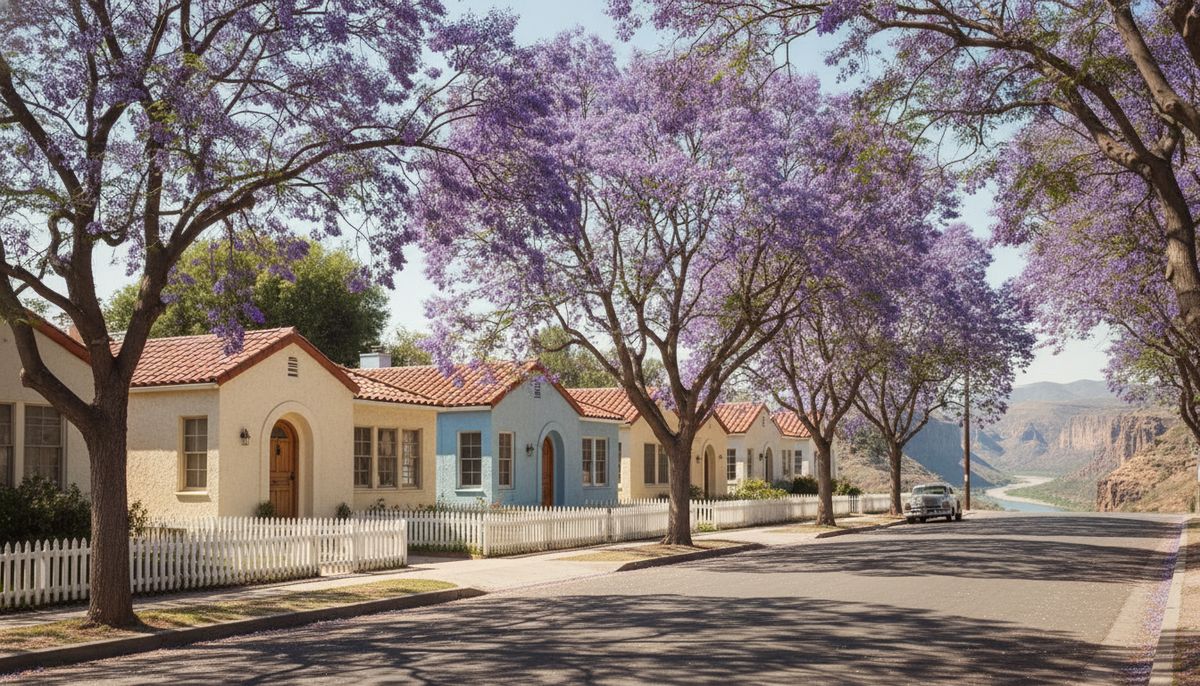
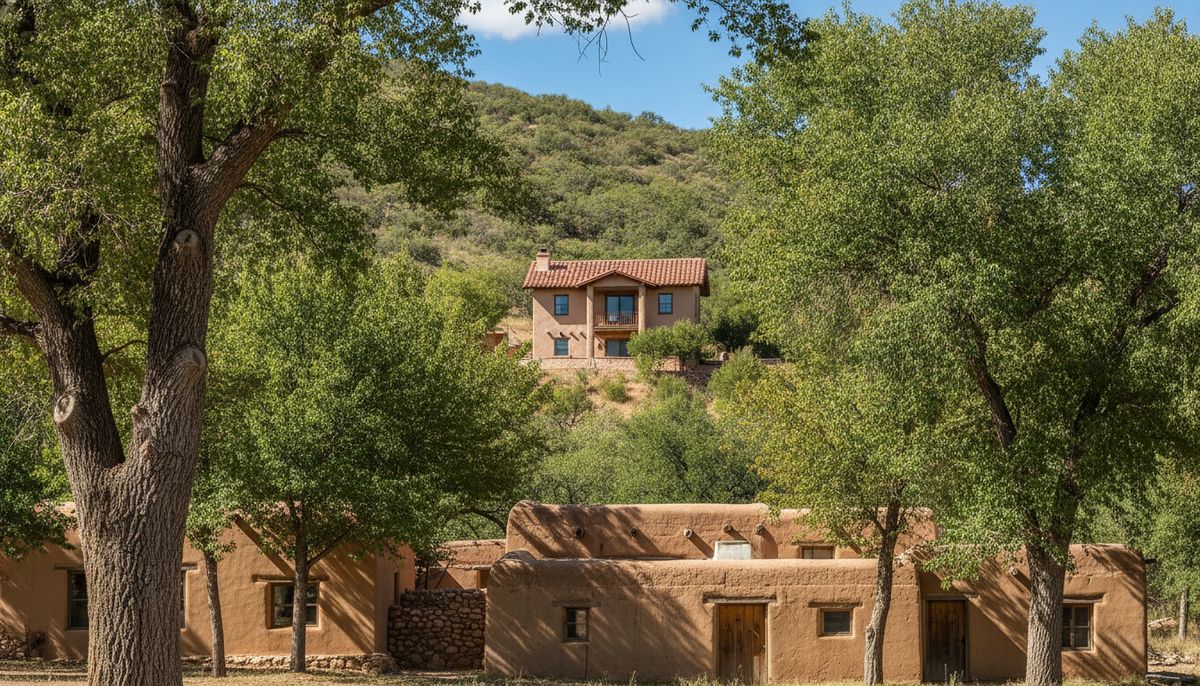
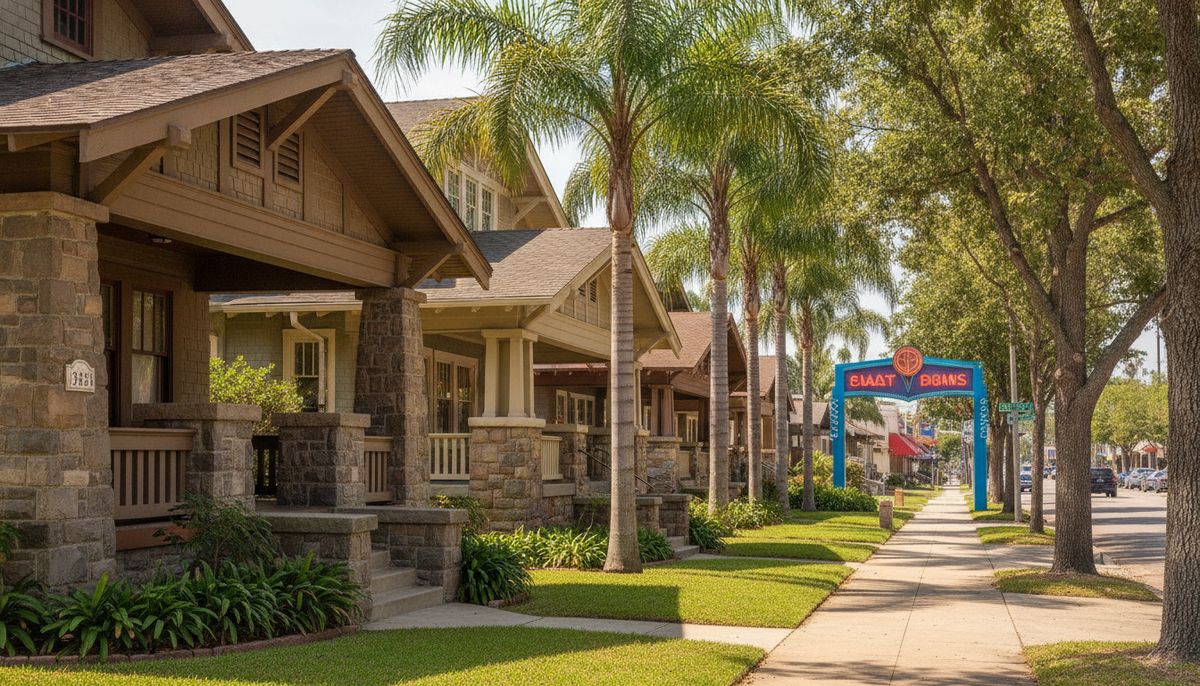
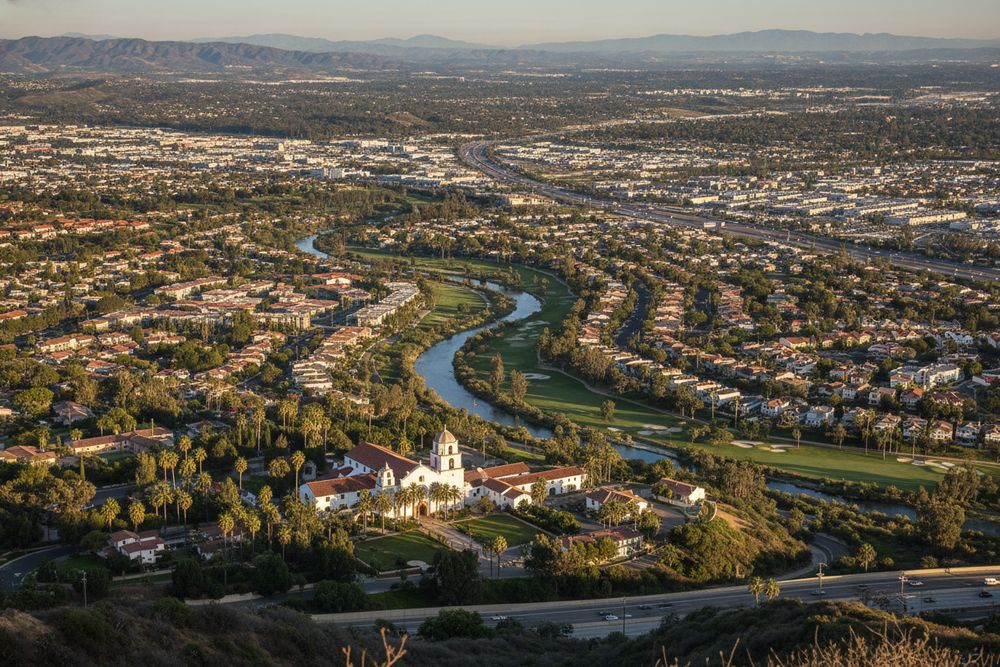
Mission Valley follows the San Diego River for several miles from the Morena area east toward the Mission Basilica San Diego de Alcalá, founded in 1769 and moved to this spot in 1774. For a century after that the valley floor was dairies and truck farms that flooded in wet winters. Interstate 8 opened the corridor in the late 1950s, and Mission Valley Center and Fashion Valley followed, turning pasture into retail. Green Line trolleys now cover the whole valley, and at its eastern end the old stadium site reopened in 2022 as Snapdragon Stadium plus San Diego State's Mission Valley campus.
Homes and lots in Mission Valley
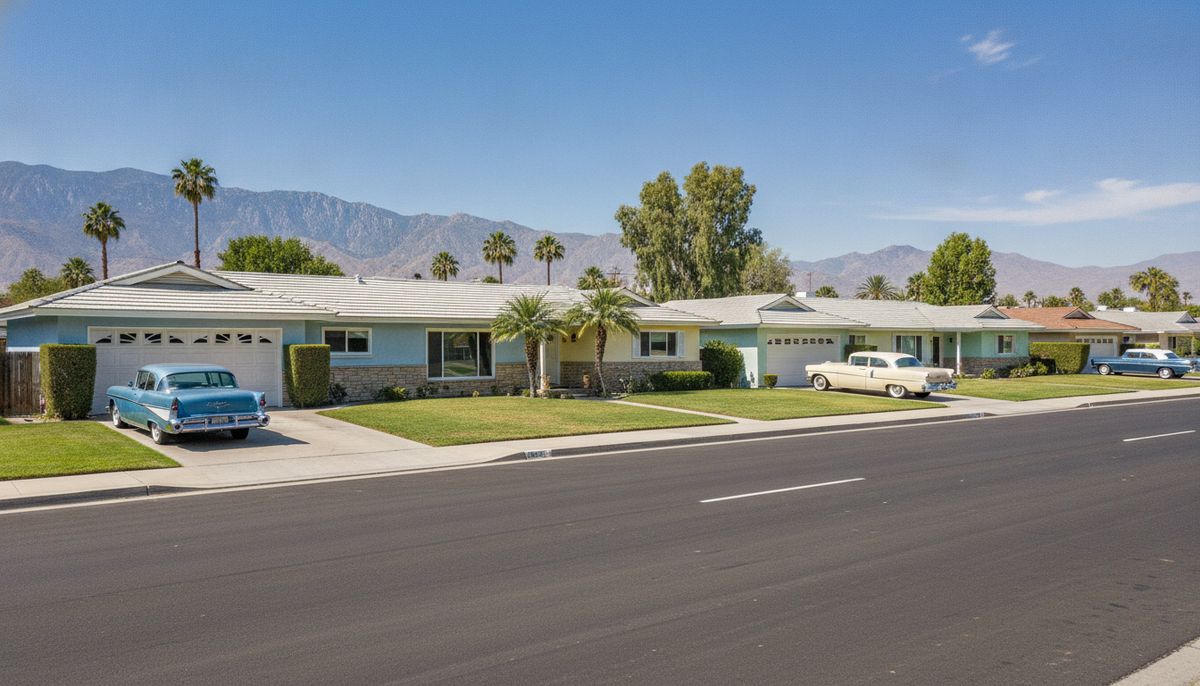
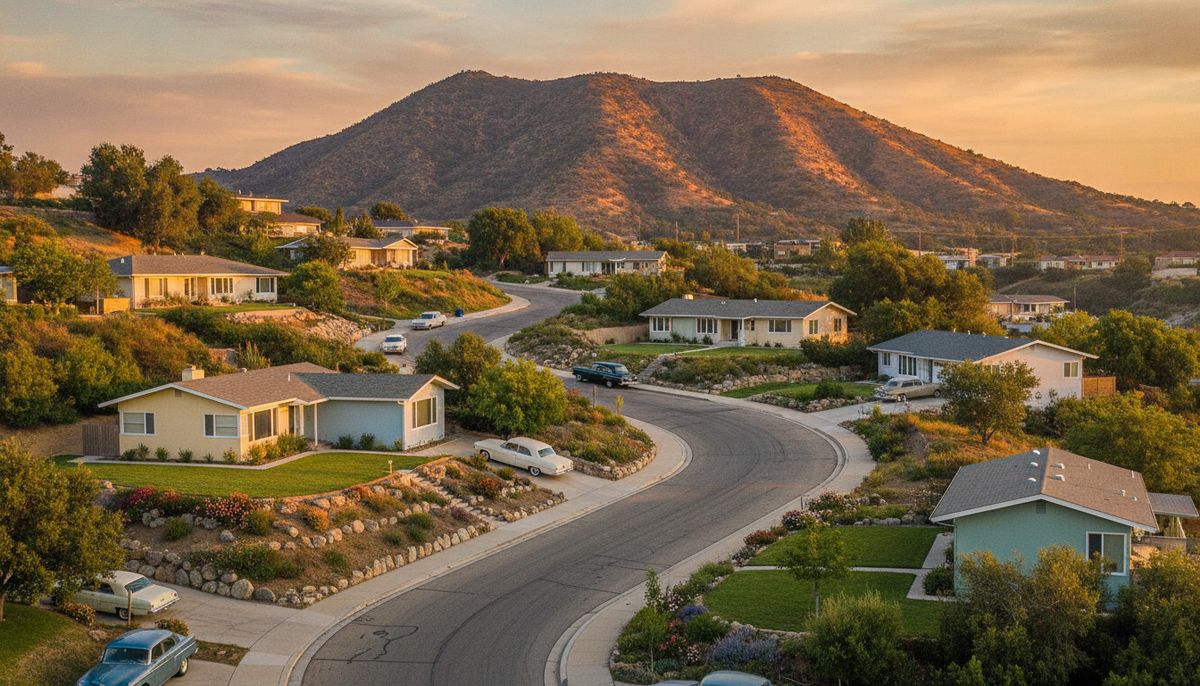
Almost every home here is attached. The oldest group is the 1970s and 1980s garden-style condo complexes around Camino de la Reina, Hotel Circle and Rio San Diego Drive, usually two or three stories with carports or tuck-under parking. The 2000s brought podium mid-rises near Hazard Center and Fashion Valley, with elevators, secured garages and gym rooms. Rio Vista West added stacked flats and townhomes near the trolley. Civita, built on a former quarry on the north slope since the 2010s, layers detached homes, rowhouses and condos up a hillside around a large park. Detached single-family homes are rare outside Civita, and most buildings rely on HOA management for roofs, elevators and parking structures.
How Mission Valley sales behave
Demand comes from people who want to sit in the center of the county: Downtown, Kearny Mesa, Old Town and SDSU are all close, and the trolley removes the car from many commutes. Smaller one-bedroom units attract first-time owners and investors, while larger two- and three-bedroom units in newer buildings appeal to downsizers leaving houses in nearby mesa communities. Pricing splits by building age, elevator access, parking count and whether a unit faces the river, the hills or a freeway. Civita detached homes sit in a separate, higher bracket and compete more with Serra Mesa and Clairemont houses than with valley condos. Sales in buildings with litigation or deferred maintenance slow noticeably.
Neighborhoods and subdivisions
CivitaFashion ValleyHazard CenterMission Valley EastMission Valley WestRio Vista West
Landmarks
- Interstate 8
- Snapdragon Stadium
- San Diego River
- Fashion Valley
- Mission Basilica San Diego de Alcalá
Appraisal watch points in Mission Valley
Flood exposure leads the list: big portions of the valley bottom are mapped as FEMA special flood hazard areas beside the San Diego River, and each unit's zone and elevation shape both insurance premiums and how eager buyers are. Brian also reviews HOA reserves, pending assessments, rental caps and any construction-defect history, since those can depress value across a whole building. Floor level, view orientation, freeway noise and deeded parking spaces are adjusted unit by unit, and Civita parcels may carry community facilities district taxes. Mission Valley sits squarely in the area Brian serves locally, so an estate attorney can pick a desktop report, an exterior-only Drive-By or a full interior inspection according to the access and depth the case calls for.
A condo near Hazard Center in a parent's estate faces an upcoming assessment for elevator replacement. Will the appraisal account for that?
It should, and Brian addresses it directly. A known special assessment is a cost a buyer would weigh, so he reviews the HOA's notice, the amount per unit and whether it was disclosed as of the effective date. Sales from the same building before and after the assessment was announced help show how the market reacted. If the estate is paying it off before a sale, he notes that too, so heirs see how the figure was reached.