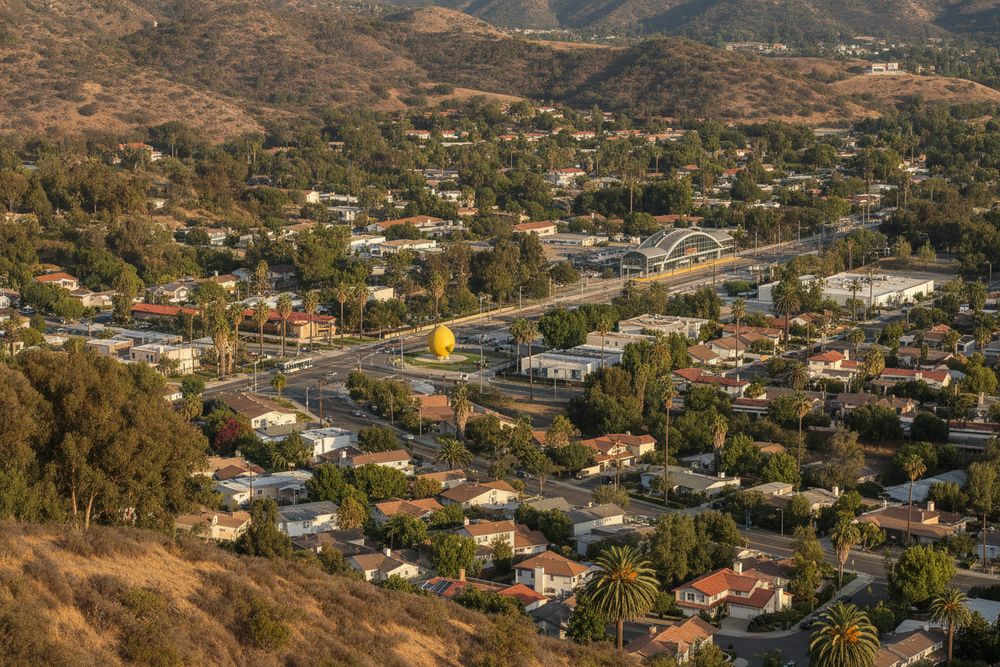
Squeezed between La Mesa, Spring Valley and the southeastern neighborhoods of San Diego, Lemon Grove covers under four square miles where State Routes 94 and 125 cross. Joseph Allison filed the first subdivision maps in 1892, and by the 1890s the slopes were planted almost wall to wall in citrus. Those orchards gave way to houses before and after World War II, and the city incorporated in 1977. The giant plaster lemon at Broadway and Lemon Grove Avenue, first built as a 1928 parade float, still marks the old commercial core beside the Orange Line trolley.
Homes and lots in Lemon Grove
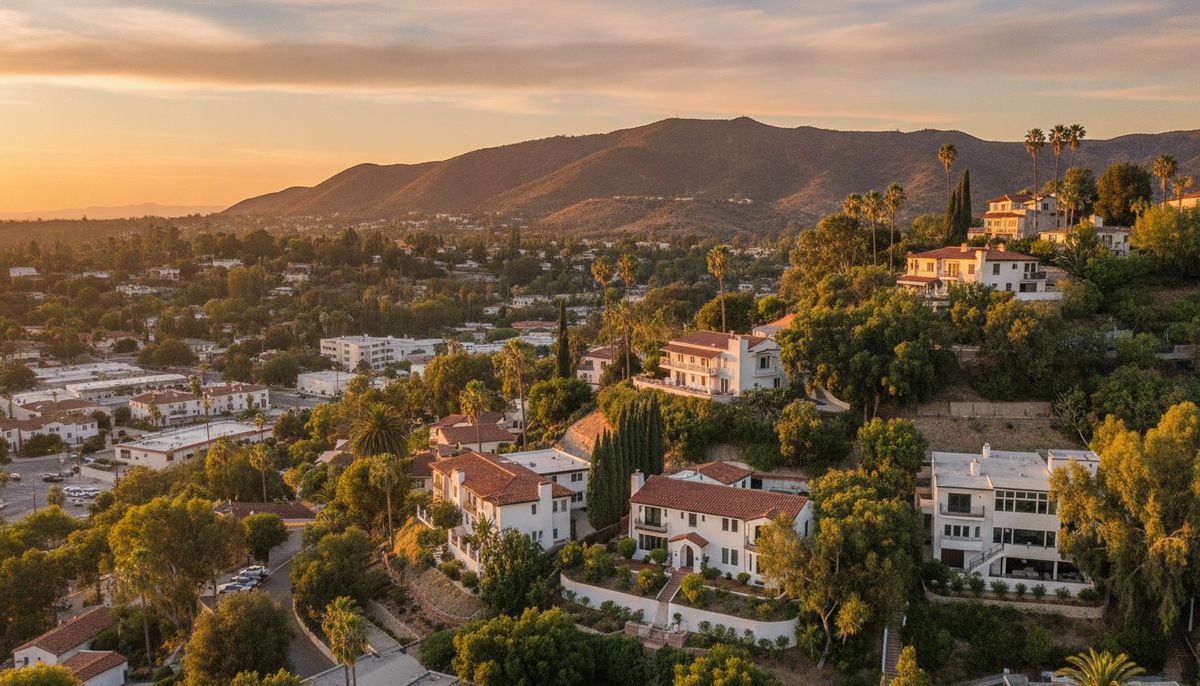
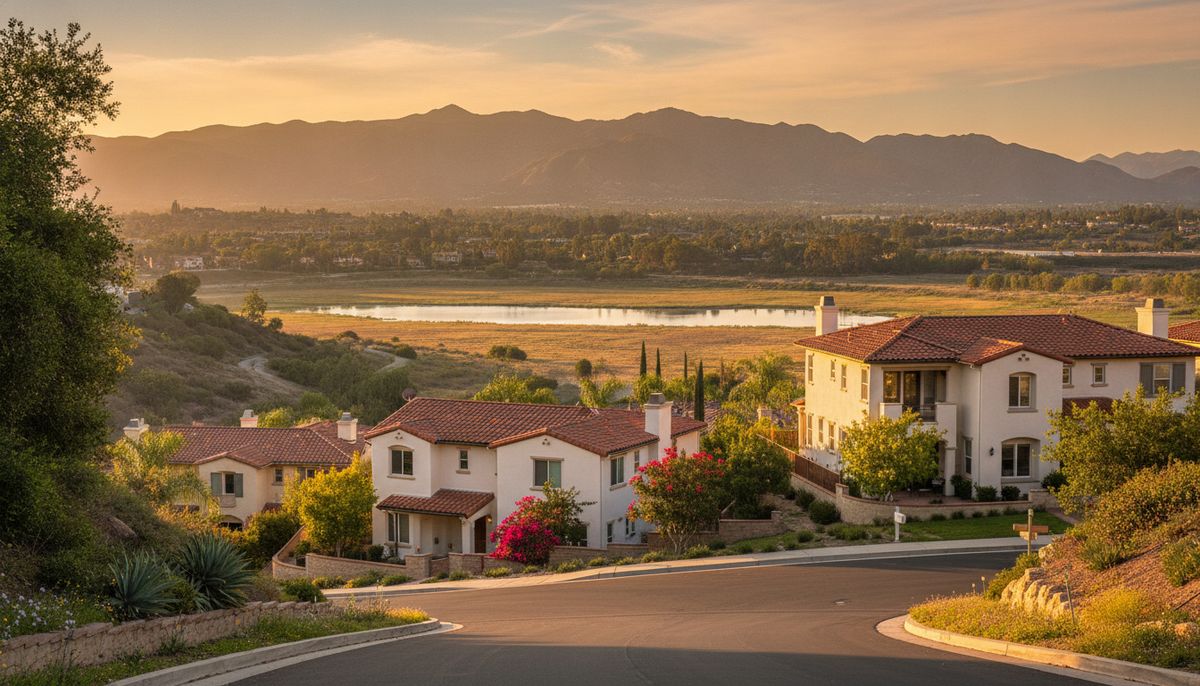
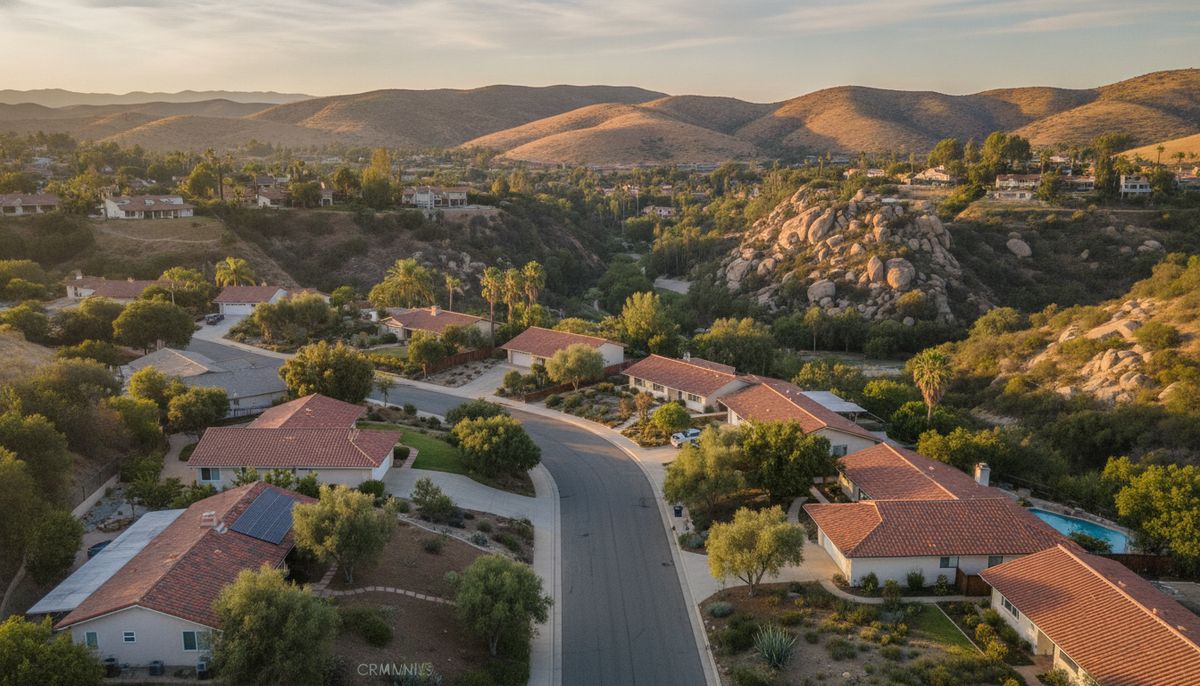
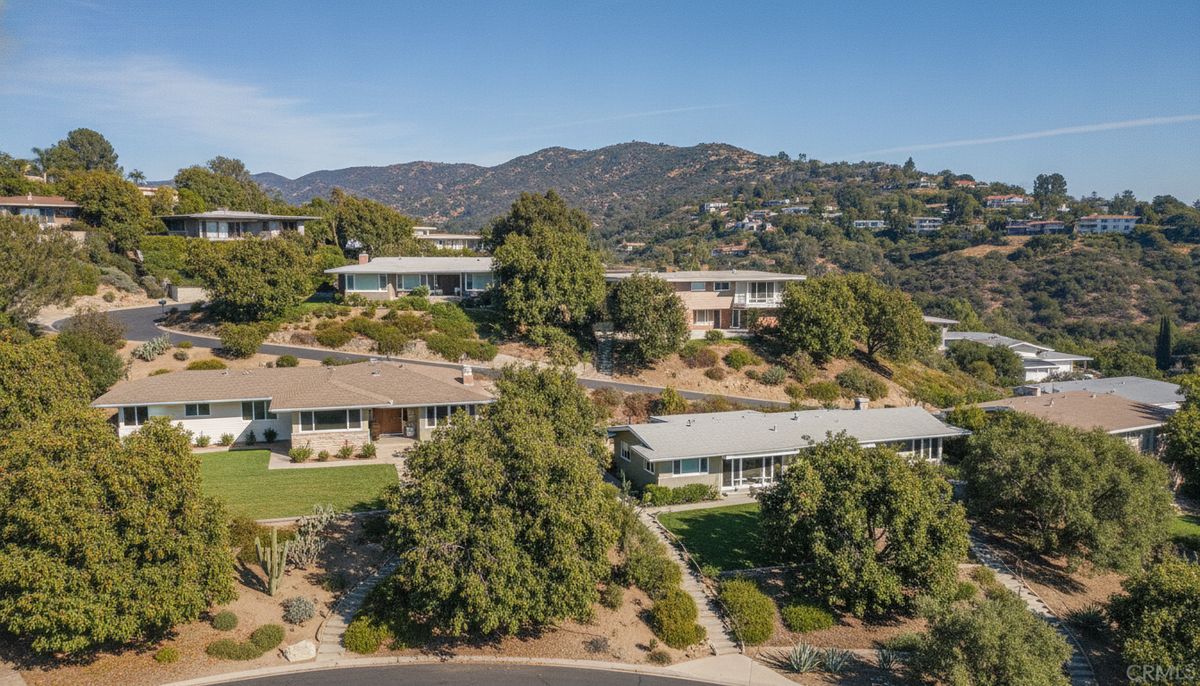
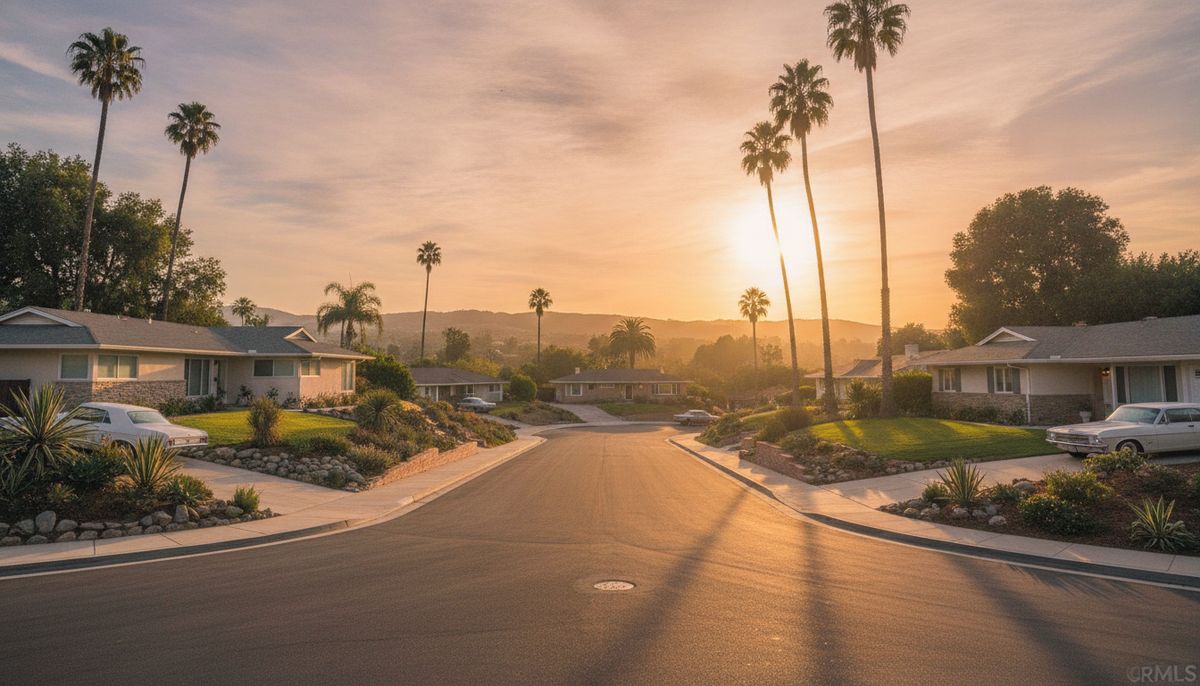
Most of the stock is single-story ranch and minimal-traditional homes from the late 1940s through the 1960s, on lots of about six to ten thousand square feet, plus a handful of much deeper parcels where old orchards were split unevenly. Pockets of 1920s and 1930s cottages survive near the downtown grid. North of SR-94 the ground climbs toward Mount Helix and La Mesa, so streets in Monterey Heights and around San Altos pick up slope, retaining walls and partial views. Along Broadway and Lemon Grove Avenue and around the Massachusetts Avenue trolley stop, duplexes, modest apartment blocks and recent infill townhouses are grouped together.
How Lemon Grove sales behave
Lemon Grove usually trades below La Mesa and well below coastal San Diego, which keeps it on the list for first-time owners and for families moving out of City Heights, Encanto or Chula Vista. Original-condition ranch houses draw investors and flippers, while fully updated homes compete with entry-level product across the county line in San Diego. Larger lots get extra attention since a detached ADU or a second unit can change the rent picture. Hillside homes with a view toward the bay or the Sweetwater basin sit in the upper tier for the city, and freeway-adjacent blocks along SR-94 sit at the lower end.
Neighborhoods and subdivisions
Downtown Lemon GroveLemon Grove Avenue corridorMassachusetts Avenue areaMonterey HeightsSan Altos
Landmarks
- State Route 94
- State Route 125
- Treganza Heritage Park and the H. Lee House
- Lemon Grove Depot trolley station
- Lemon Grove's giant lemon sculpture, at the corner of Lemon Grove Avenue and Broadway
Appraisal watch points in Lemon Grove
Lot depth matters more here than in most tract towns, because the irregular orchard-era splits mean two neighboring houses of equal size can sit on very different land. Brian looks closely at legal second units versus unpermitted garage conversions, which are common in this housing age. Traffic and freeway noise along SR-94 and the trolley corridor call for a location adjustment, while hillside parcels north of the freeway can carry view premiums. Lemon Grove lies within the territory Brian covers personally, which opens up all six report options, ranging from the Basic Desktop to an exterior Drive-By or a Standard with a full inspection.
The family house on a deep Lemon Grove lot has an old converted garage. Will that square footage count in an estate appraisal?
Only permitted living area is normally counted as gross living area. Brian checks county records for the conversion; without a permit, the area gets documented and might earn partial contributory credit, yet it is never counted like square footage that was finished when the house was built. The extra lot depth is analyzed separately, since land that could legally hold an ADU often carries its own weight in the comparison.