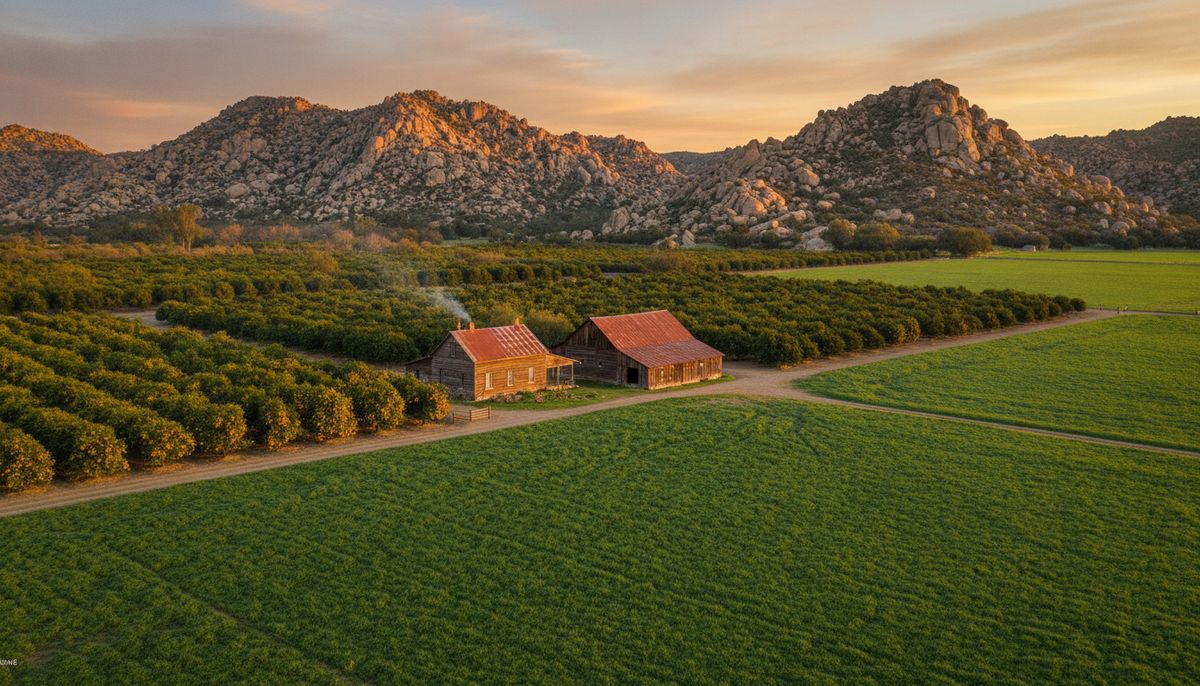
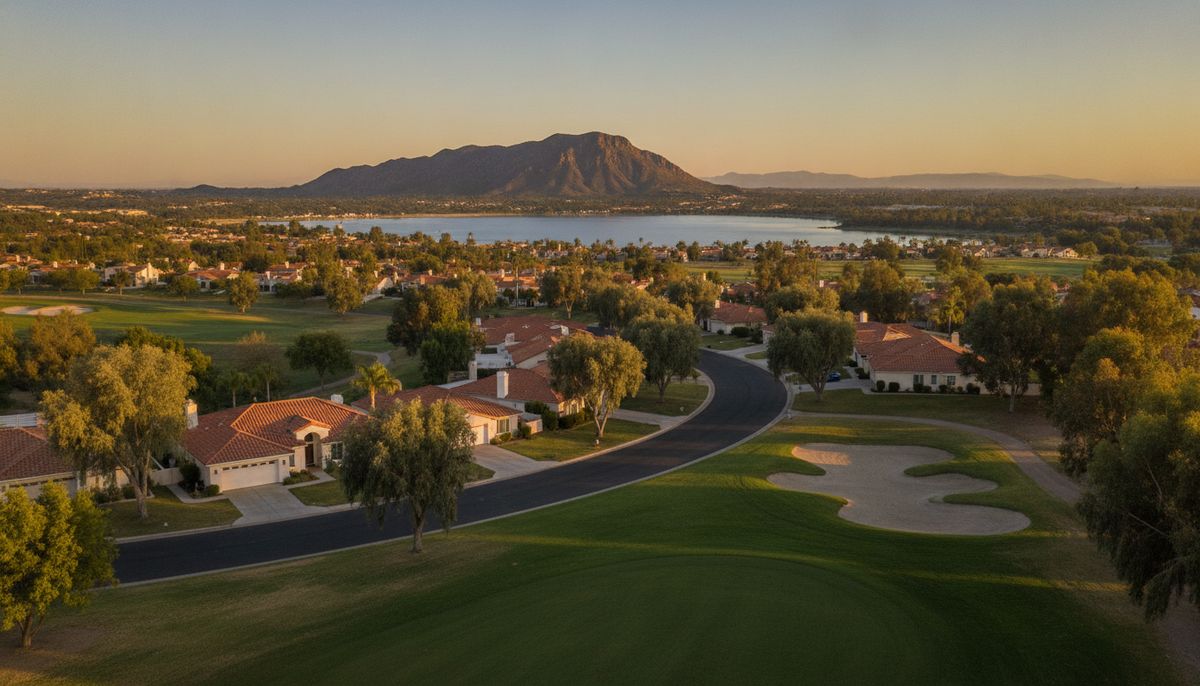
Escondido fills a broad inland bowl about eighteen miles from the ocean, ringed by boulder-strewn granite hills that hold Daley Ranch, Dixon Lake and Lake Wohlford. The city incorporated in 1888, and its early economy ran on grapes, citrus and avocados; Grape Day Park downtown still marks the old harvest festival. Grand Avenue keeps a walkable pre-war core, Interstate 15 and State Route 78 cross at the western edge, and the Sprinter rail line ties the transit center to Oceanside.
Homes and lots in Escondido
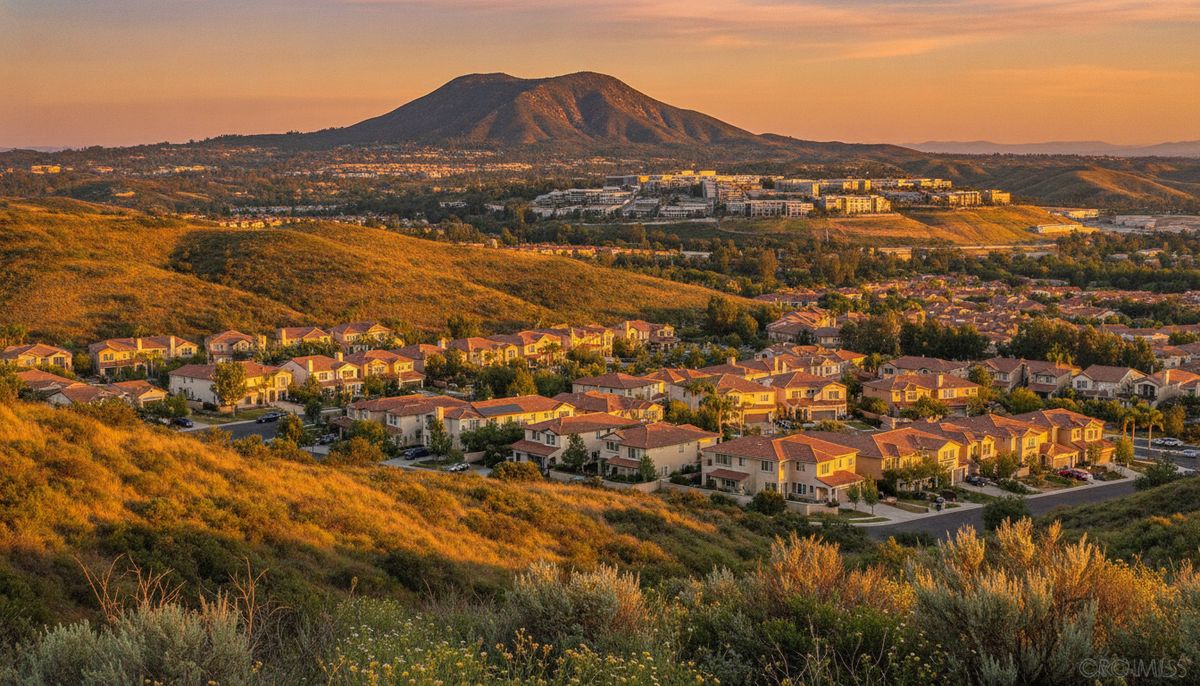
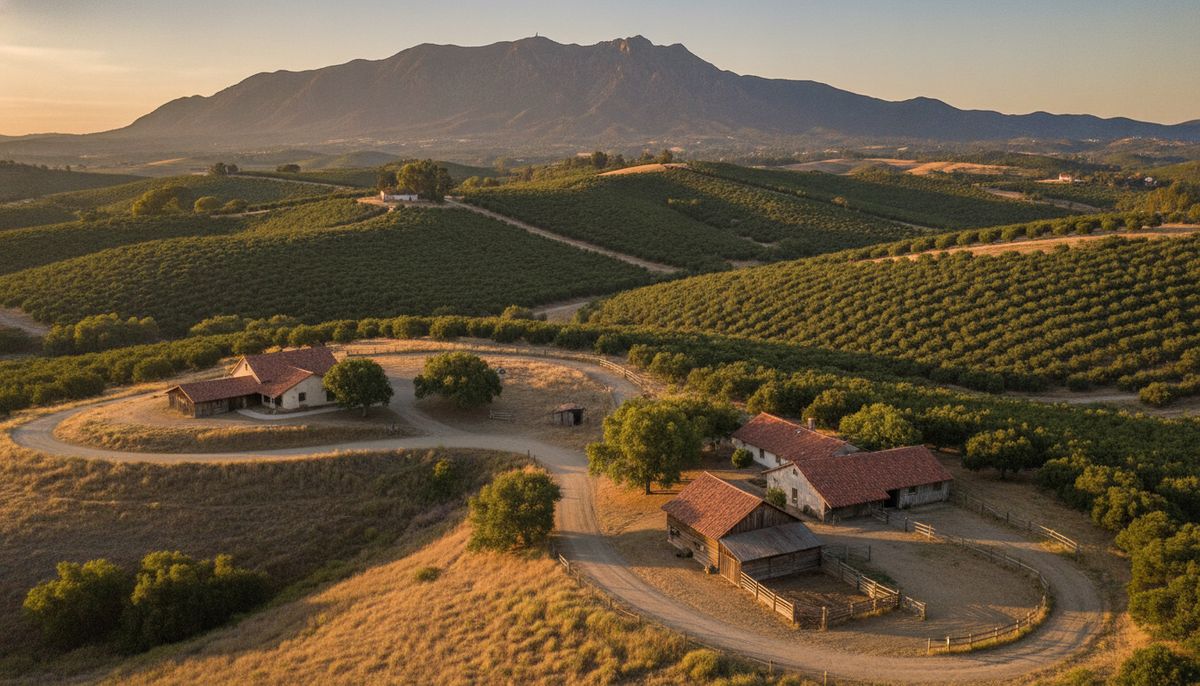
The housing stock spans more than a century. Old Escondido, south of Grand Avenue, holds Victorian cottages, Craftsman bungalows and Spanish Revival houses on narrow lots along Fifth, Sixth and Juniper. Postwar ranch tracts from the 1950s through the 1970s spread across the valley floor, while 1980s and 1990s two-story subdivisions climb toward Eureka Springs, Rancho San Pasqual and the Bear Valley Parkway corridor. Old avocado groves often throw shade across the hillside sites on the north and east ridges, which span roughly half an acre up to several acres. Escondido also has a large inventory of mobile home parks under a local rent ordinance, plus condominiums and townhomes near Valley Parkway and the Centre City corridor.
How Escondido sales behave
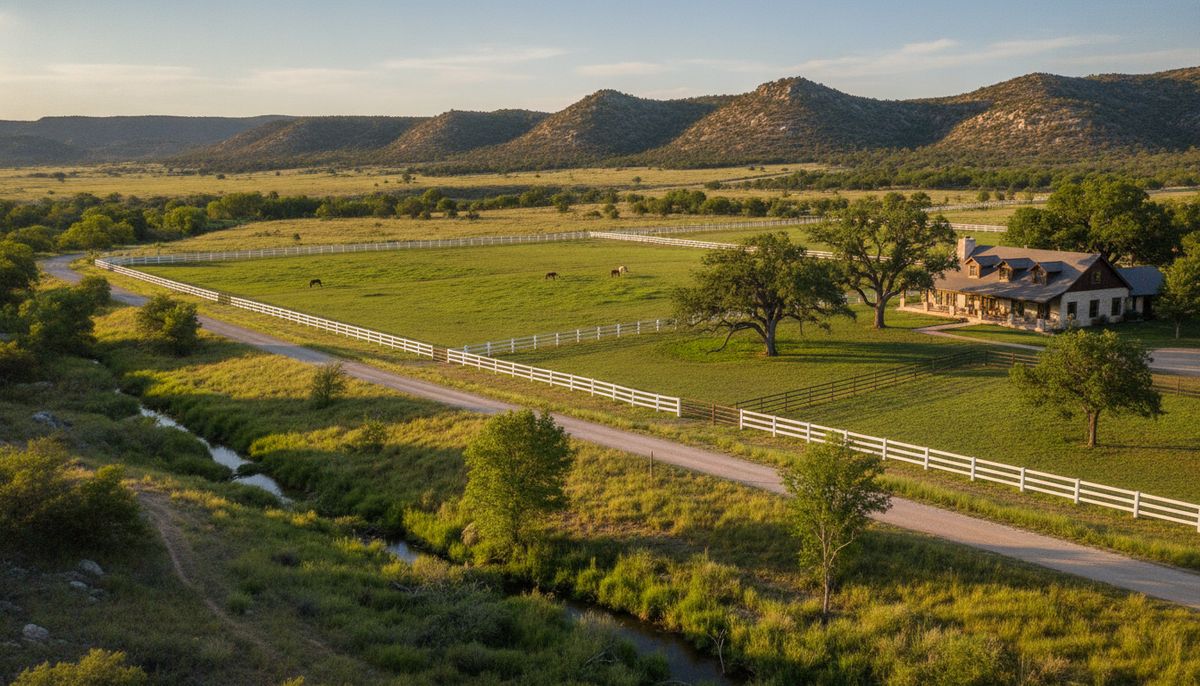
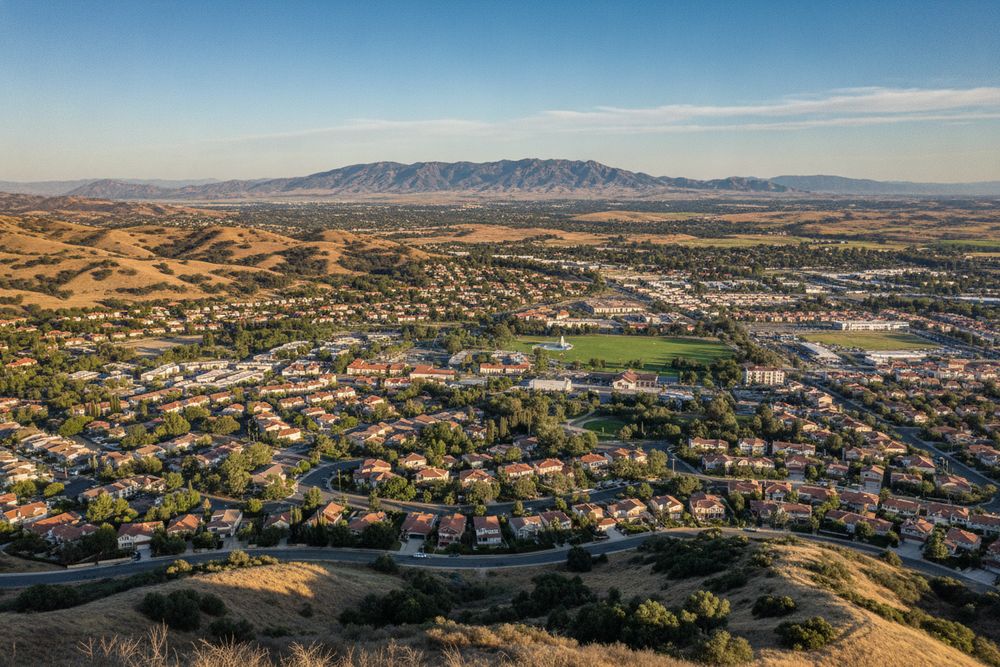
Escondido usually draws buyers who are priced out of the coastal cities and the I-15 suburbs to the south, so the entry tier moves quickly when condition is decent. Ranch homes on standard lots form the middle of the market and sell on condition and location relative to downtown, the freeway and the industrial strips along Mission Road. The upper tier sits on view acreage around Eureka Springs, the northern foothills toward Daley Ranch and the San Pasqual edge, where sales are thinner and buyer pools smaller. Restored historic houses in Old Escondido form their own niche, with a dedicated following that pays for original millwork and preserved façades.
Neighborhoods and subdivisions
Eureka SpringsFelicitaHidden TrailsKit CarsonOld EscondidoRancho San Pasqual
Landmarks
- Lake Wohlford
- Dixon Lake
- Daley Ranch
- Kit Carson Park
- Grape Day Park
- California Center for the Arts, Escondido
Appraisal watch points in Escondido
Old Escondido sits inside a designated historic district, so exterior changes face design review and Mills Act contracts can lower property taxes on some houses; both matter when choosing comparables. Hillside lots raise questions about usable area, private road access and wells versus city water. Mobile homes in rent-controlled parks are a separate valuation exercise from fee-simple houses. Garage conversions and newer ADUs are common, and permit history changes how they are counted. Brian works Escondido in person, which means the full lineup applies there, starting with the Basic Desktop and running up to the inspected Standard 2-4 Unit.
How does a Mills Act contract on a 1920s Old Escondido bungalow affect its date-of-death value?
It can. Because a Mills Act contract binds the land itself, it typically lowers the property tax bill, a feature some purchasers prize, yet it also records upkeep and restoration duties on title. Brian checks the contract terms, looks for sales of other historic-district homes with and without contracts, and explains in the report how the comparables were adjusted. An inspected Standard report is usually the better choice here because period details drive the value.